




Coolant is one of those components that rarely gets the spotlight, yet it is arguably one of the most important things in your entire loop. It carries heat away from your CPU and GPU blocks, prevents corrosion across every metal surface, and stops biological growth from turning your reservoir into a science experiment. Get it wrong, or skip it entirely in favour of plain distilled water, and you could be looking at clogged blocks, corroded fittings, and a loop full of green slime within months. So which coolant type actually suits your build, and which products do experienced builders in the UK keep coming back to? I have put this guide together to answer exactly that.
Coolant Types Explained
Premixed coolant is the most straightforward option. You pour it straight into your reservoir with no mixing required. It contains distilled water, corrosion inhibitors, biocide, and optional dye or pigment, all in a pre-balanced formula. Adding extra biocide or mixing brands destabilises the chemistry and can cause precipitation. I would say premixed is the right choice for most builders, simply because it removes the risk of getting ratios wrong.
Concentrates are mixed with distilled water before use, typically at a 1:9 ratio. The cost saving per litre is fairly modest, but for larger loops of two litres or more the saving does become worthwhile. Bear in mind that you should never use tap water with concentrate. UK tap water has a conductivity of 200 to 800 microsiemens per centimetre, which is far too high for a watercooling loop. Only genuinely distilled or deionised water will do.
The DIY approach uses distilled water with a separate biocide additive. This is the cheapest option for large loops, offers the best thermal conductivity, and appeals to experienced builders who want full control over their loop chemistry. Deionised water from automotive retailers works well as a base, paired with a dedicated biocide additive at the recommended dose rate.
Clear, Coloured, and Opaque Coolants
Clear coolant contains no pigments or particles. It is the easiest to maintain, shows contamination immediately through discolouration or cloudiness, and carries the lowest clogging risk. I have seen this advice echoed on virtually every experienced builder forum thread: if reliability matters more to you than aesthetics, go clear.
Translucent coloured coolants use dissolved dyes rather than suspended particles. UV-reactive variants glow under ultraviolet lighting, though the intensity depends on matching the dye’s excitation wavelength to your UV source. True 365nm UV LEDs produce the strongest fluorescence. Dye stability does vary by product, and colour can fade or separate if the loop’s pH drifts outside the stable range.
Opaque and pastel coolants rely on suspended pigment particles held in solution by surfactants and careful pH balance. On a subjective note, they look quite spectacular in a fresh build. However, they require significantly more maintenance. When circulation stops, particles settle in the microfin channels of CPU and GPU water blocks. If the pH shifts, the entire suspension can collapse within days. Manufacturers recommend changing opaque coolant every six months, and the community consensus is that pastel coolants are a maintenance burden most daily-driver builds simply do not need.
What Goes Into a Good Coolant
Corrosion inhibitors form a thin protective layer on metal surfaces, reducing ion transfer between dissimilar metals in the loop. They are sacrificial, meaning they deplete over time as they do their job. Once exhausted, the coolant loses its corrosion protection entirely. This depletion is the primary reason for annual coolant changes.
Biocides prevent bacterial and algal growth. Custom loop temperatures of 25 to 40 degrees Celsius are ideal for biological colonisation, and a loop without biocide protection will develop growth that causes discolouration, foul smell, and blocked microchannels. Chemical biocides included in premixed coolants are the most reliable approach here. Silver coils release antimicrobial silver ions, but they are incompatible with nickel-plated components and can cause visible damage to nickel surfaces within days.
Some coolants use glycol as both a freeze-point depressant and a natural biocide. Glycol at sufficient concentration creates an inhospitable environment for microbial life, eliminating the need for a separate biocide additive. However, glycol reduces thermal conductivity by roughly 30 percent at a 50/50 mix, so it should only be present in concentrations necessary for the intended purpose.
Brands Worth Considering
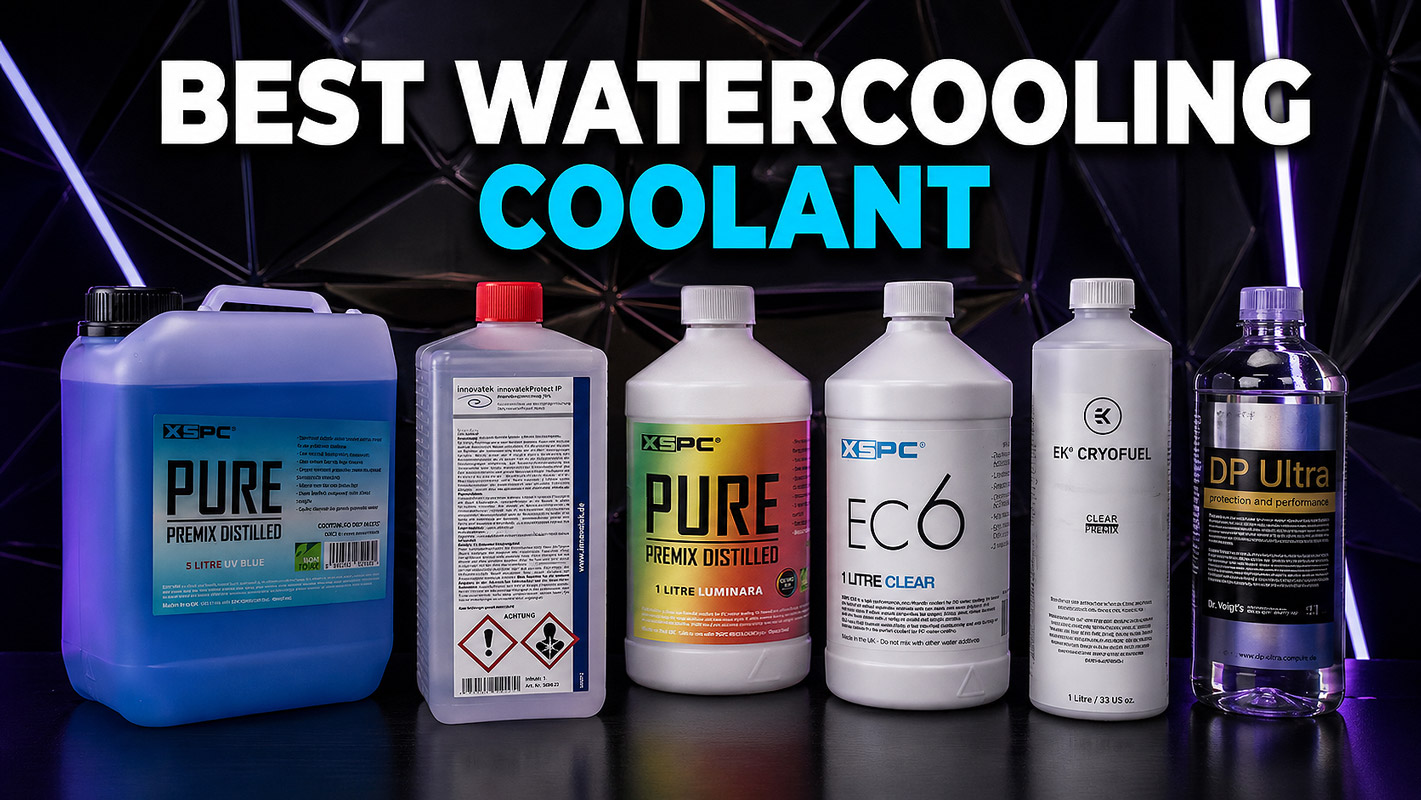
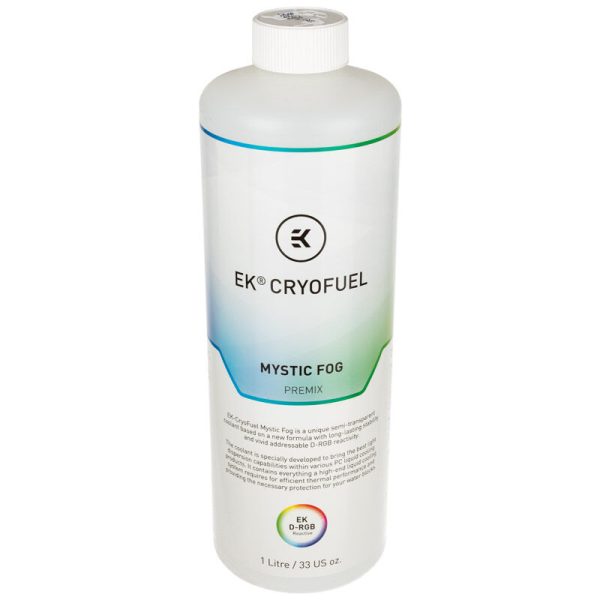
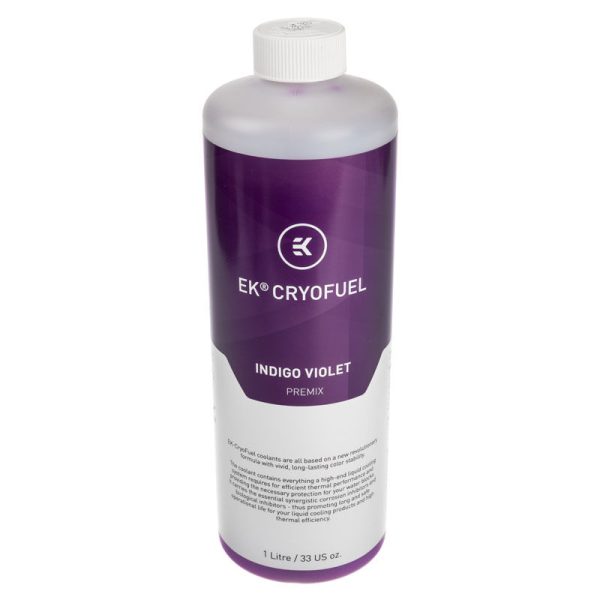
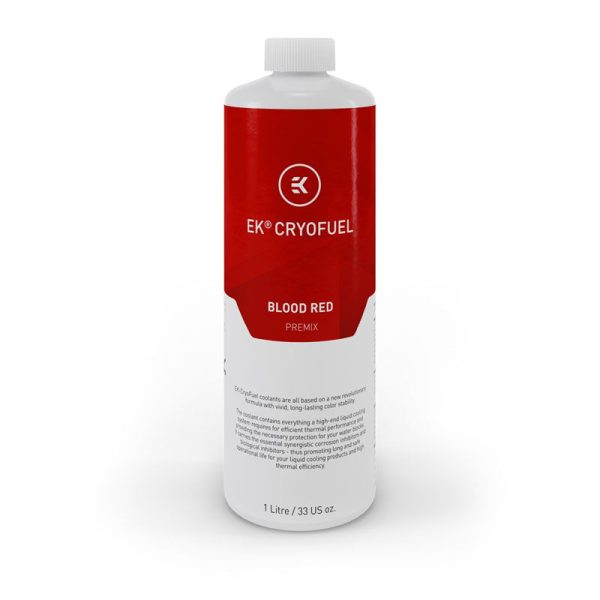
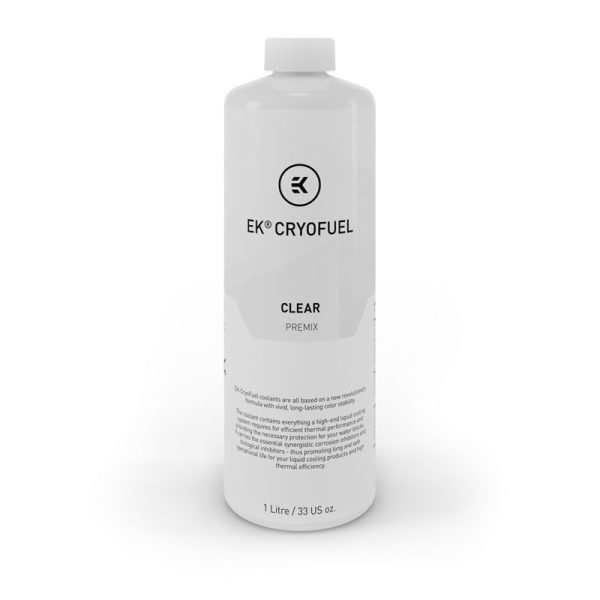
EK CryoFuel is the most widely available premixed coolant in the UK. The clear variant has the strongest reputation in the range, with some users reporting two to three years of trouble-free operation. The solid and opaque variants carry higher clogging risk, though, with documented cases of colour dropping out overnight. EK does offer a replacement guarantee for affected bottles, which at least acknowledges the risk exists. Shelf life is four years sealed.
- SKU: WAEK-2016
- MPN: 3831109829912
- EAN: 3831109829912
- Available for Collection
- SKU: WAEK-1614
- MPN: 3830000000000
- EAN: 3831109810415
- Available for Collection
- SKU: WAEK-1650
- MPN: 3831109813263
- EAN: 3831109813263
- Available for Collection
- SKU: WAEK-1649
- MPN: 3831109813256
- EAN: 3831109813256
- Available for Collection
XSPC EC6 uses a vegetable extract base and achieves exceptionally low electrical conductivity at under two microsiemens per centimetre. EC6 Clear is consistently recommended as a reliable choice in UK forums, and rightly so. The newer PURE line extends shelf life to three years with an eight-stage triple-distilled water base with full protection. The EC6 Protect standalone biocide additive is also available separately for builders using the distilled water approach.
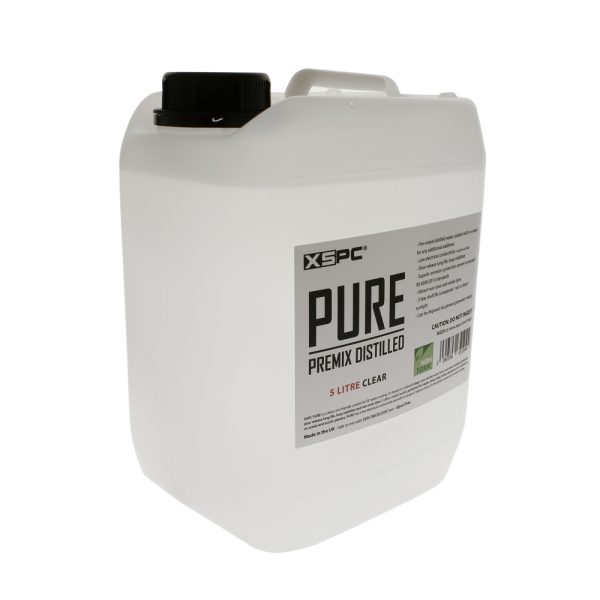
- SKU: XS-5L-PURE-CL
- MPN: 5060596651944
- EAN: 5060596651944
- Available for Collection
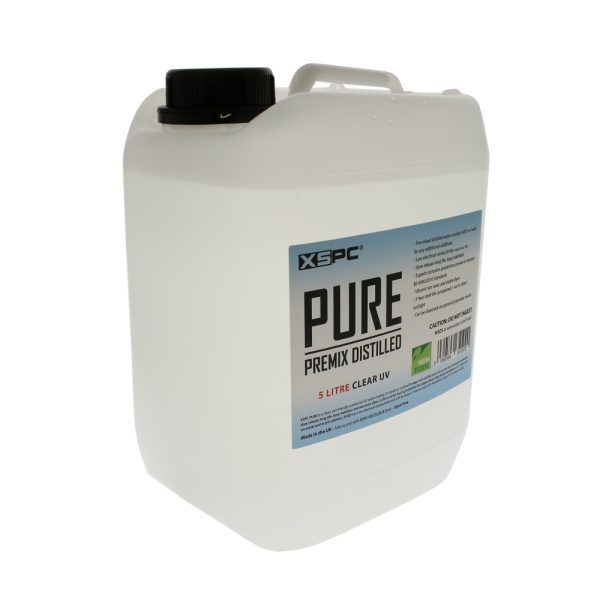
- SKU: XS-5L-PURE-CU
- MPN: 5060596651920
- EAN: 5060596651920
- Available for Collection
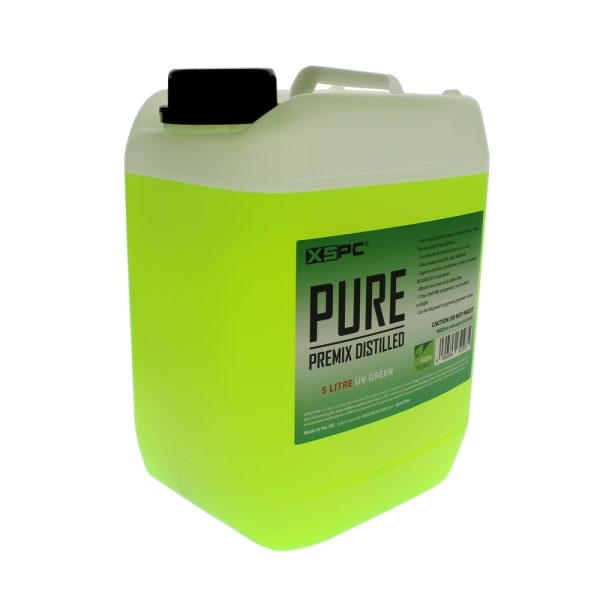
- SKU: XS-5L-PURE-GR
- MPN: 5060596651975
- EAN: 5060596651975
- Available for Collection
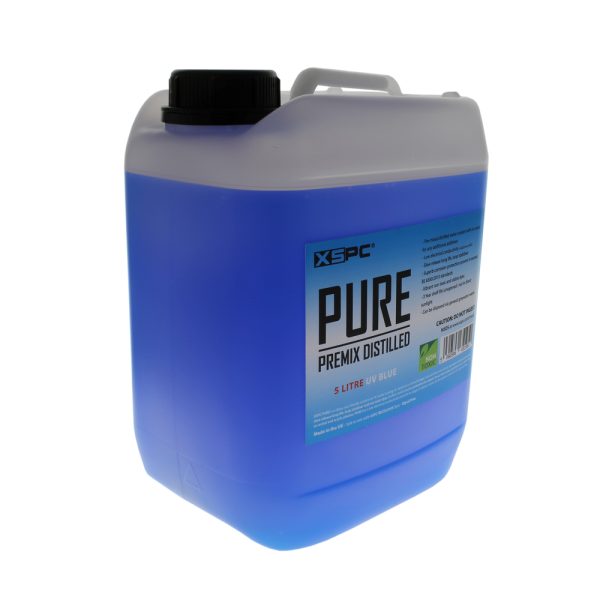
- SKU: XS-5L-PURE-BL
- MPN: 5060596651951
- EAN: 5060596651951
- Available for Collection
Aqua Computer Double Protect Ultra is something of a quiet favourite among long-term enthusiasts. It uses glycol for both inhibitor and biocide function, requires no additional additives, and multiple users have reported running it for six to nine years across multiple rigs with blocks coming out looking brand new. That is quite impressive. It is also one of the few coolants explicitly designed for systems containing both copper and aluminium components.
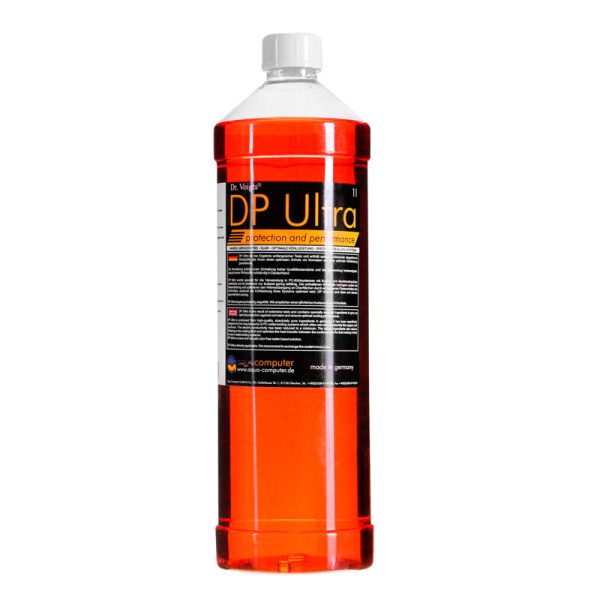
- SKU: WAZU-244
- MPN: 53117
- EAN: 4260073418720
- Available for Collection
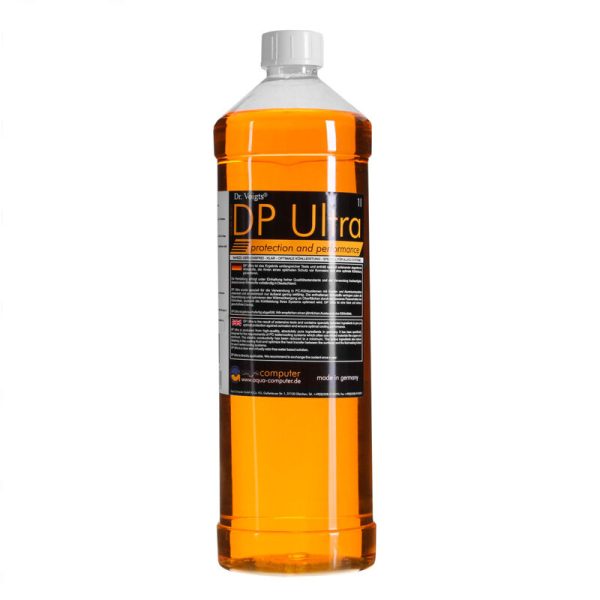
- SKU: WAZU-243
- MPN: 53115
- EAN: 4260073418706
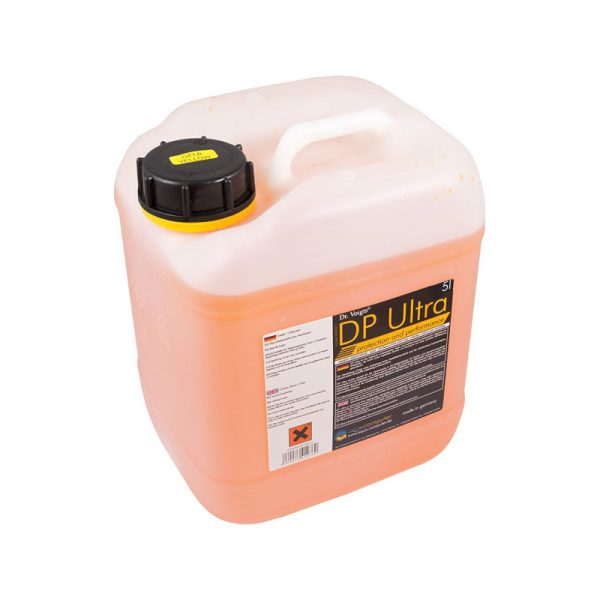
- SKU: WAZU-448
- MPN: 53151
- EAN: 4260073418775
- Available for Collection
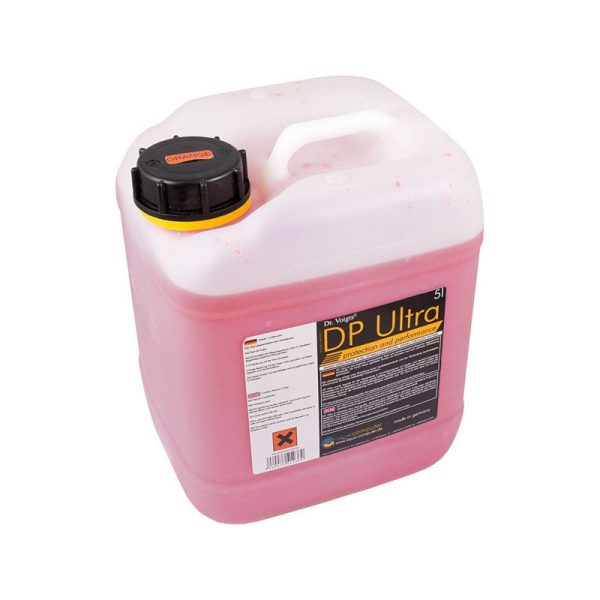
- SKU: WAZU-451
- MPN: 53154
- EAN: 4260073418805
- Available for Collection
Alphacool offers two distinct product lines, and I do feel it is important to highlight the difference. The Eiswasser range contains no biocide or corrosion inhibitors and is intended for show builds only. The Apex Liquid ECO is their full-protection product, using a low concentration of propylene glycol for biocide and inhibitor function. Make sure you pick the right one for your application.
Koolance LIQ-702 has a devoted following among experienced builders, with some users running it for over a decade. It offers a two to three year service life between changes and provides genuine freeze protection down to minus 15 degrees. UK stock availability has been inconsistent, so do check current availability before planning a build around it.
Maintenance and Change Intervals
The standard recommendation is to change clear coolant every twelve months. Opaque and pastel coolants should be changed every six months due to particle settling risk. Some premium products with strong inhibitor packages can run longer, but I would say visual inspection should guide your decision rather than the calendar alone.
Signs that your coolant needs changing include cloudiness or discolouration in formerly clear fluid, visible particles or sediment in the reservoir, colour loss or fading, rising coolant temperatures without any hardware changes, and any unusual smell coming from the loop. If you spot any of these, it is time for a change.
When swapping coolant, never mix brands. Different inhibitor chemistries can neutralise each other, causing precipitation and pH swings. Drain fully, flush at least three times with distilled water, and refill with a single brand. For transitions between coloured coolants, use a dedicated loop cleaning product before the distilled water flushes.
Common Mistakes
Running plain distilled water without any additives is one of the most common beginner mistakes I come across. Distilled water is a mildly corrosive solvent that strips metal ions from surfaces, particularly nickel plating. Always add a corrosion inhibitor and biocide, or use a premixed coolant that includes both.
Using a silver coil in a loop with nickel-plated blocks causes rapid galvanic damage. Silver and nickel are far apart on the galvanic series, and the resulting corrosion can appear within 24 hours. If your blocks are nickel-plated, use chemical biocide instead.
Mixing aluminium and copper components in the same loop causes severe galvanic corrosion regardless of coolant choice. No coolant fully prevents this reaction long-term. Stick to copper, brass, and nickel throughout your loop.
Adding extra biocide to a premixed coolant disrupts the carefully balanced formula and can cause dye precipitation, pH swings, and reduced protection. If a product says it is ready to use, it means exactly that.
Choosing pastel or opaque coolant for a daily-driver PC that runs for months without maintenance is, to put it plainly, inviting trouble. If you want the aesthetic, commit to the six-month drain and refill schedule. If that sounds like too much work, clear coolant will serve you far better.
Final Thoughts
For those looking to keep things simple and reliable, a clear premixed coolant from a reputable brand is the safest bet. Products like XSPC EC6 Clear or Aqua Computer Double Protect Ultra have long track records and require relatively little fuss. I would also say that for builders wanting coloured or UV-reactive coolants, translucent dye-based options are a sensible middle ground between aesthetics and maintenance.
Opaque and pastel coolants can look absolutely stunning, but they demand a level of upkeep that many daily-driver builds simply will not get. If you are honest with yourself about how often you are willing to drain your loop, the right choice should be fairly obvious. Coolant may not be the most exciting part of planning a custom loop, but getting it right keeps everything else running cleanly for years to come.