





Coolant Types Explained: Premix, Concentrate and Additives
Choosing the right coolant for a custom watercooling loop is one of those things that tends to get overlooked, yet it is arguably more important than most builders realise. It is not just about picking a colour that matches your build. Your coolant protects metals from corrosion, prevents biological growth, and keeps everything running cleanly for months or even years. So what are the different types, and which one is right for your build? Let’s break it down.
The Three Main Options
Premixed Coolant
- SKU: XS-5L-PURE-CL
- MPN: 5060596651944
- EAN: 5060596651944
- Available for Collection
- SKU: WAEK-1649
- MPN: 3831109813256
- EAN: 3831109813256
- Available for Collection
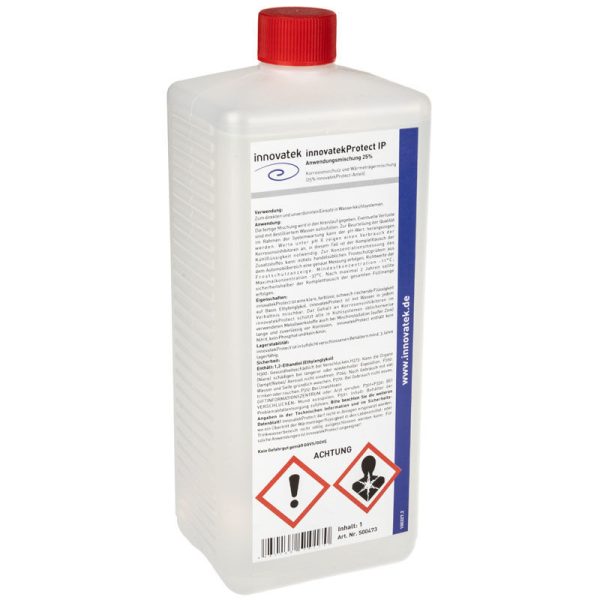
- SKU: WAZU-035
- MPN: 500473
- EAN: 4250168510170
- Available for Collection
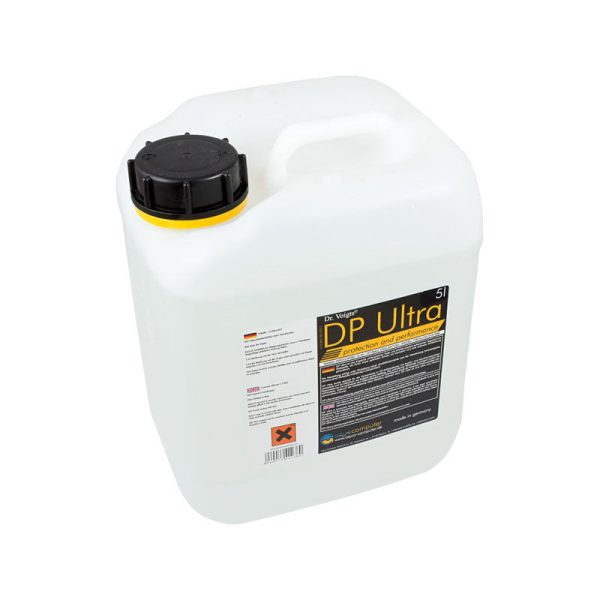
- SKU: WAZU-446
- MPN: 53149
- EAN: 4260073418751
- Available for Collection
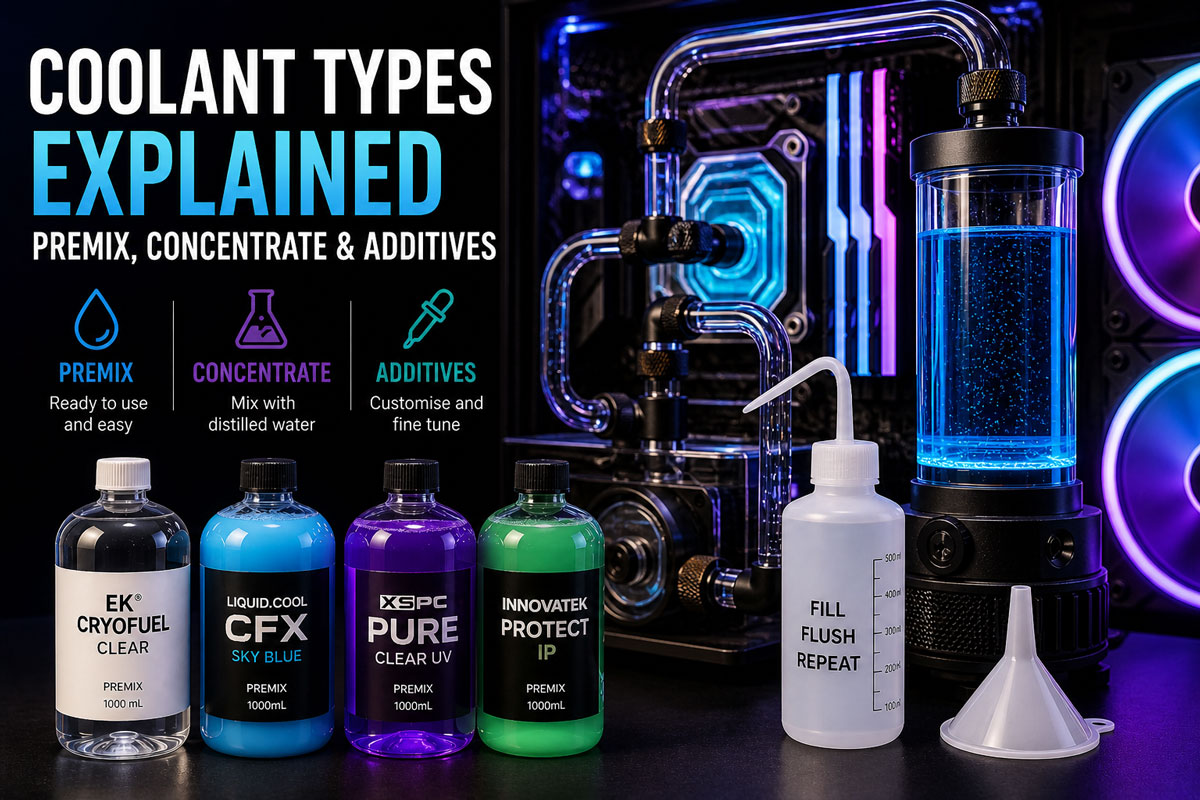
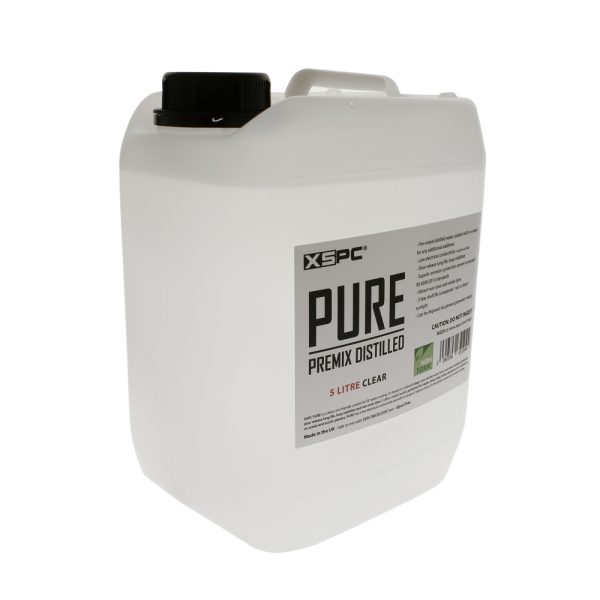
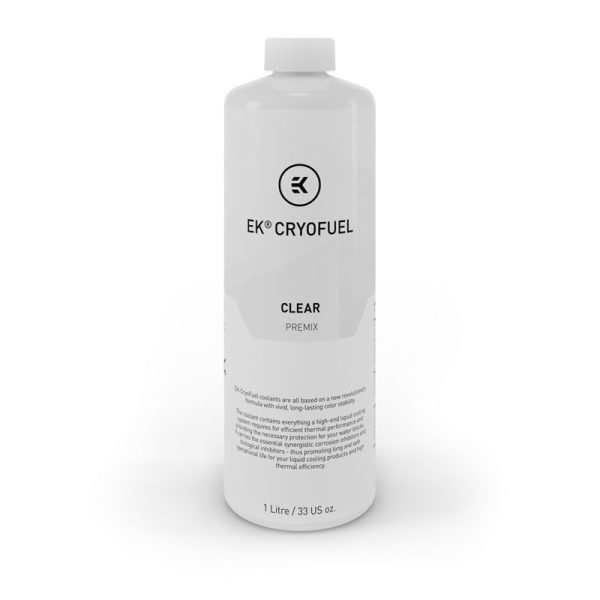
This is the easiest option by a fair margin. Premixed coolant is ready to pour straight into your loop with no mixing required. It already contains the right balance of corrosion inhibitors, biocide, and any colouring or visual effects. Popular options include EK CryoFuel, XSPC Pure, Aqua Computer DP Ultra, Alphacool Eiswasser, Liquid.cool, and Innovatek.
For most builders, I would say this is the right choice. It takes the guesswork out of coolant chemistry entirely, and you know it has been formulated and tested specifically for PC watercooling. Dead easy.
Concentrate
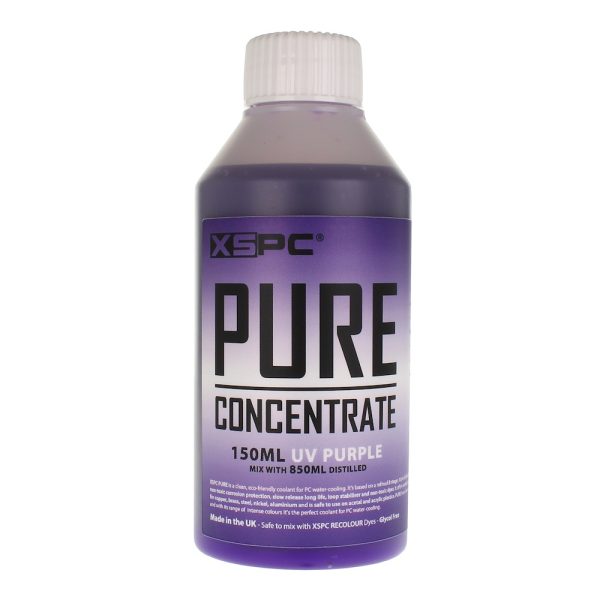
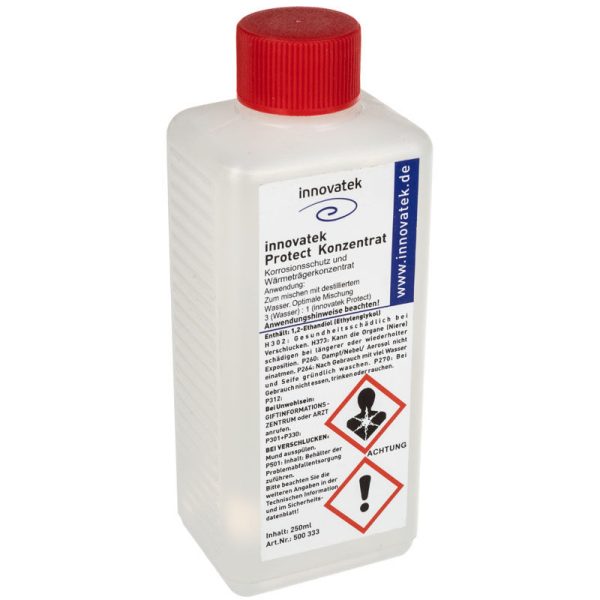
Concentrate is mixed with distilled water before use. Mixing ratios vary by brand (EK CryoFuel uses 1:3, for example), so it is worth always checking the label. Concentrate is more economical for larger loops or if you maintain multiple systems, since one bottle goes further than a premix equivalent.
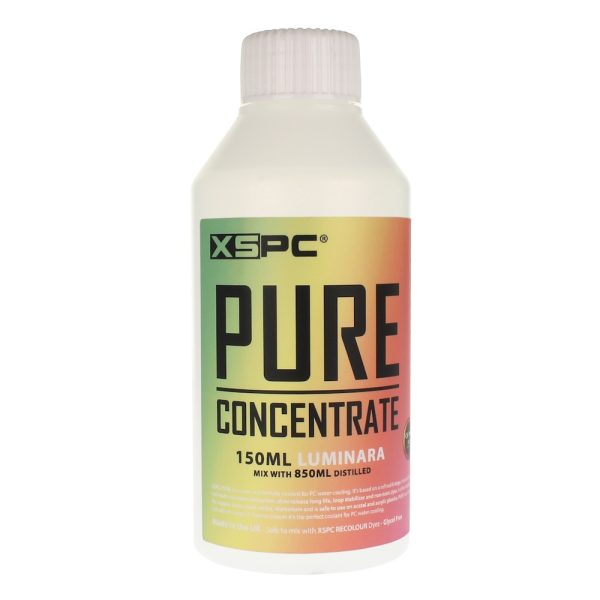
- SKU: XS-CNPURE-LM
- MPN: 5060596651715
- EAN: 5060596651715
- Available for Collection
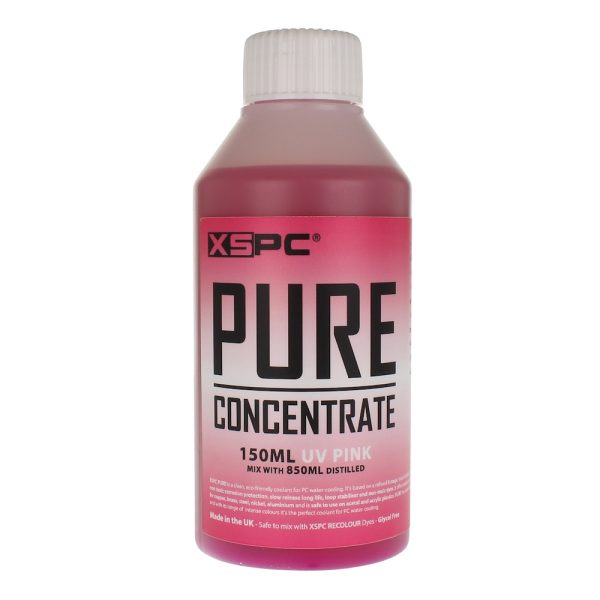
- SKU: XS-CNPURE-PK
- MPN: 5060596651753
- EAN: 5060596651753
- Available for Collection
- SKU: XS-CNPURE-PL
- MPN: 5060596651739
- EAN: 5060596651739
- Available for Collection
- SKU: WAZU-034
- MPN: 500333
- EAN: 4250168519449
- Available for Collection
Distilled Water + Additives
This is the cheapest option, but it is also the most hands-on. You use distilled water as the base and add separate biocide and corrosion inhibitor additives yourself. This gives you the best thermal performance (pure water transfers heat better than glycol-based coolants), but you need to re-dose the additives roughly every 3 months as they get consumed.
It is worth stressing here: never use tap water. Tap water contains minerals, chlorides, and other dissolved solids that cause corrosion, mineral deposits, and encourage biological growth. Always use distilled or deionised water.
Clear vs Coloured vs Opaque
Clear Coolant
Clear coolant is the lowest-maintenance choice. It is easiest to monitor visually (you can spot contamination immediately), it does not stain tubing, and there are no particles that can settle or clog. If you want a loop you can fill and largely forget about for 12 months, clear is the way to go.
Coloured / Dyed Coolant
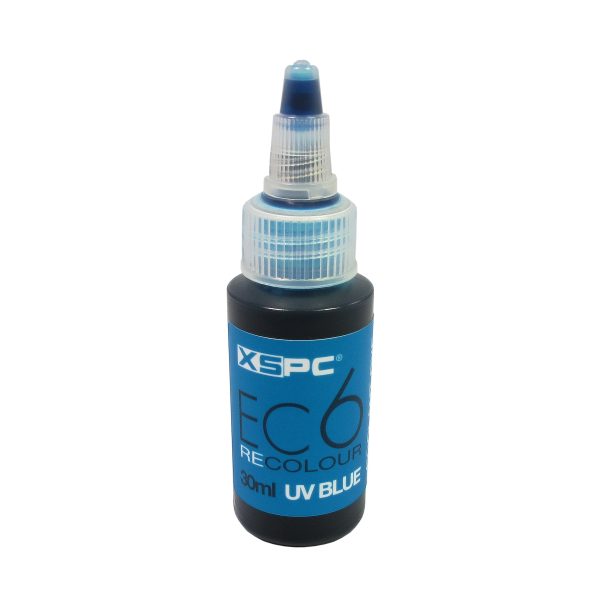
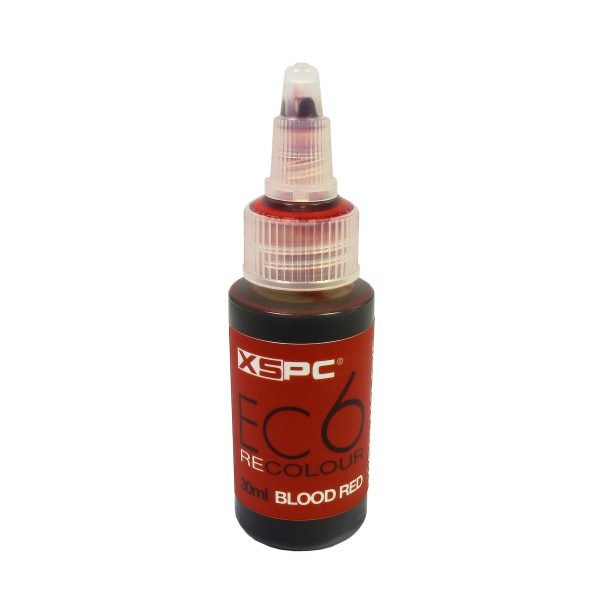
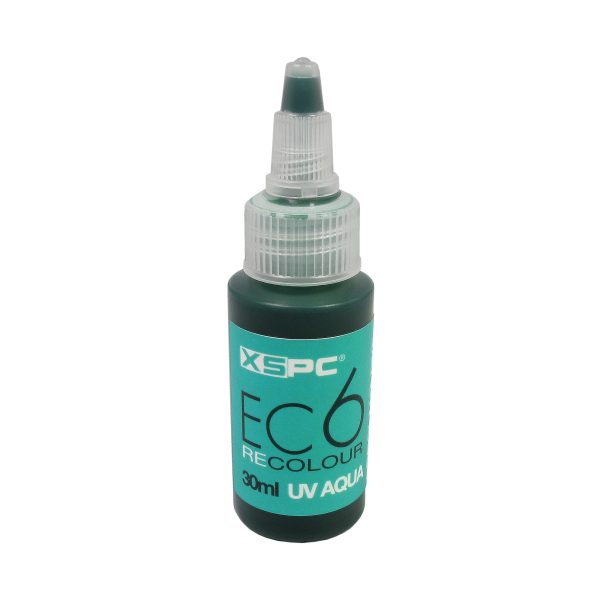
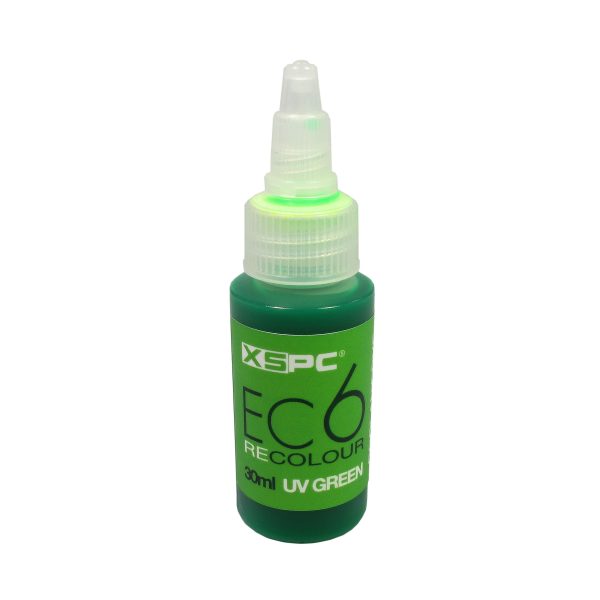
This is translucent coolant with dye added. It looks quite nice, but the dye can fade over time and may stain soft tube (especially with darker colours like red or green). I would recommend changing it every 6-12 months. Moderate maintenance, all things considered.
- SKU: XS-RCOL-UVBLU
- MPN: 5060175589378
- EAN: 5060175589378
- Available for Collection
- SKU: XS-RCOL-BLRD
- MPN: 5060175589392
- EAN: 5060175589392
- SKU: XS-RCOL-UVAQU
- MPN: 5060175589453
- EAN: 5060175589453
- Available for Collection
- SKU: XS-RCOL-UVGRN
- MPN: 5060175589385
- EAN: 5060175589385
- Available for Collection
Opaque / Pastel Coolant
These contain nano-particles suspended in the coolant to create a solid, milky colour. They look stunning, especially in builds with clear reservoir tubes and tubing. However, the particles can settle out of suspension over time, collect in water block micro-channels, and clog your loop. Opaque coolants need changing every 3-6 months. They are higher maintenance, but the visual impact is undeniable.
UV-Reactive Coolant
UV-reactive coolant contains fluorescent dyes that glow under UV light (350-400nm wavelength). You will need dedicated UV LEDs or strips in your case for the effect to work. Standard RGB will not do it. UV dyes can fade faster than regular dyes, so expect to change every 6 months for the best visual results.
What Is Actually in Your Coolant?
Corrosion Inhibitors
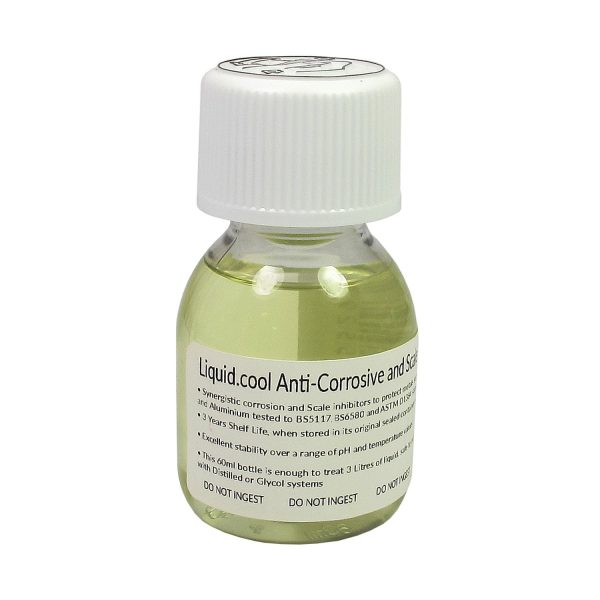
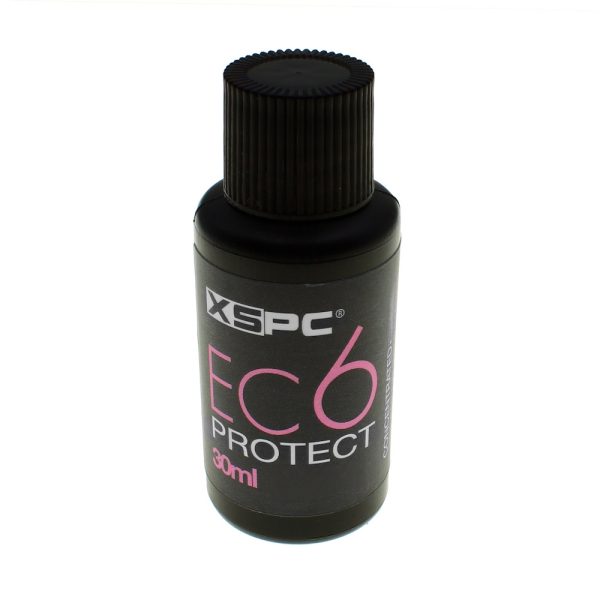
These form a microscopic protective film on your metal surfaces, preventing the electrochemical reactions that cause corrosion. They are constantly being consumed while they work, which is why coolant needs replacing on a regular basis. Without inhibitors, even distilled water will slowly dissolve copper from your blocks and fittings.
- SKU: LC-ANTCO-60ML
- MPN: 700461855293
- EAN: 0700461855293
- Available for Collection
- SKU: XS-ECP-01
- MPN: 5060175589613
- EAN: 5060175589613
- Available for Collection
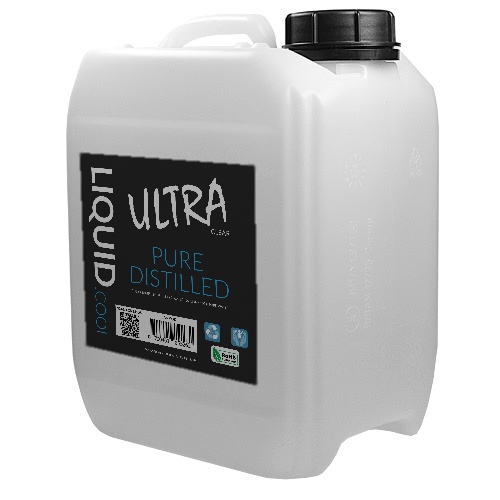
- SKU: LC-ULTRA5000-CL
- MPN: 5060684862139
- EAN: 5060684862139
- Available for Collection
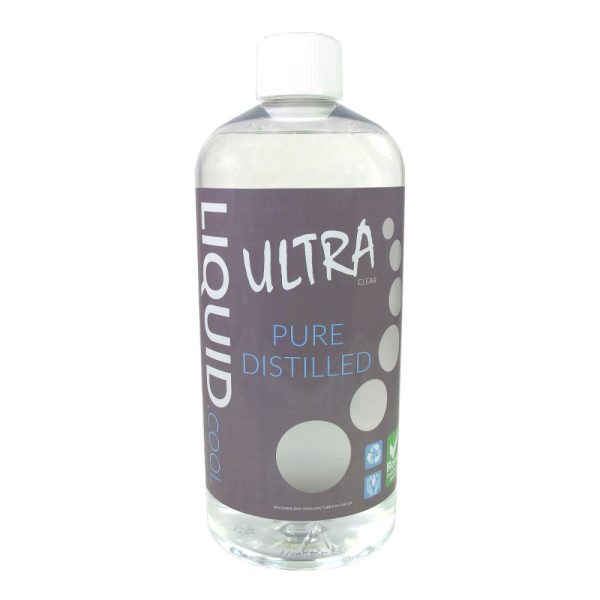
- SKU: LC-ULTRA1000-CL
- MPN: 700461855262
- EAN: 0700461855262
- Available for Collection
Biocides
Biocides prevent algae, bacteria, and fungal growth inside your loop. A warm, dark, liquid environment is essentially perfect for biological growth. Without biocide, you will eventually find green slime in your reservoir or fuzzy growth inside your tubing. That is not something you want anywhere near your hardware.
Glycol (in Some Coolants)
Some coolants contain propylene glycol or ethylene glycol. Glycol provides additional corrosion protection, biocidal properties, and pH stability. It does reduce thermal performance slightly (1-3°C at typical concentrations), but for most builds the protection benefits outweigh the relatively small temperature penalty.
Propylene glycol is non-toxic and is the standard for PC watercooling. Ethylene glycol performs slightly better but is toxic, so handle with care.
What NOT to Use
- Tap water. Minerals cause corrosion, scale, and biological growth.
- Car antifreeze. Wrong inhibitor chemistry, toxic ethylene glycol at high concentration, and formulated for completely different metals and temperatures.
- Mixed coolant brands. Different inhibitor chemistries can react and produce gel or sludge. Always flush thoroughly when switching brands.
- Food colouring. No corrosion protection, no biocide, and it will stain everything.
- Distilled water with no additives. Fine for a short leak test, but not for extended use. It will corrode your metals over time.
Coolant and Tubing Compatibility
Some coolant and tubing combinations do not play well together, and it is worth being aware of the common pitfalls before filling your loop.
Dyed coolants combined with clear PVC tubing can be problematic. The dyes can permanently stain the tubing, especially darker colours. Red is the worst offender.
Glycol-based coolants and PETG hard tube are another combination to watch out for. Glycol can cause clouding and softening of PETG. Use glycol-free coolants with PETG, or switch to acrylic tubing.
It is also worth noting that plasticiser from PVC tubing leaches into the coolant regardless of brand. This is a tubing issue, not a coolant issue. EPDM rubber tubing avoids this problem entirely.
How Long Does Coolant Last?
This depends quite heavily on the type of coolant you are running. For a complete maintenance schedule, see our How Often Should You Maintain Your Watercooling Loop guide. In short, clear coolants are the most forgiving, opaque coolants demand the most attention, and everything else falls somewhere in between. Whichever type you choose, keeping to a regular maintenance schedule is the best way to ensure your loop stays clean and your components stay protected.