




Soft Tubing vs Hard Tubing: Which is Right for Your Custom Loop?
Custom watercooling loops grab plenty of attention, and rightly so. The flexibility to cool exactly what you want, how you want, with the aesthetic you want, is a compelling proposition. But one of the very first decisions in any custom loop build is a fundamental one: soft tube or hard tube? Both get the job done, both can look superb in their own right, and both carry trade-offs that are worth understanding before you commit. Let’s break it down.
Soft Tubing
Soft tubing is where most builders start, and a significant number of experienced builders stick with it permanently. The process is straightforward: cut to length, push onto a fitting, tighten the compression collar, done. No heat guns, no mandrels, no practice bends, no wasted material. For those who want to get a loop up and running without the fiddly learning curve of rigid runs, soft tubing is the sensible starting point.
PVC (Flexible Tubing)
- SKU: WAZU-963
- MPN: 50276
- EAN: 4251312604561
- SKU: WAEK-2501
- MPN: 3831109895962
- EAN: 3831109895962
- SKU: 1019550
- MPN: 17497
- EAN: 4250197174978
- Available for Collection
- SKU: XS-FLX-004
- MPN: n/a
- EAN: 5060175583758
- Available for Collection
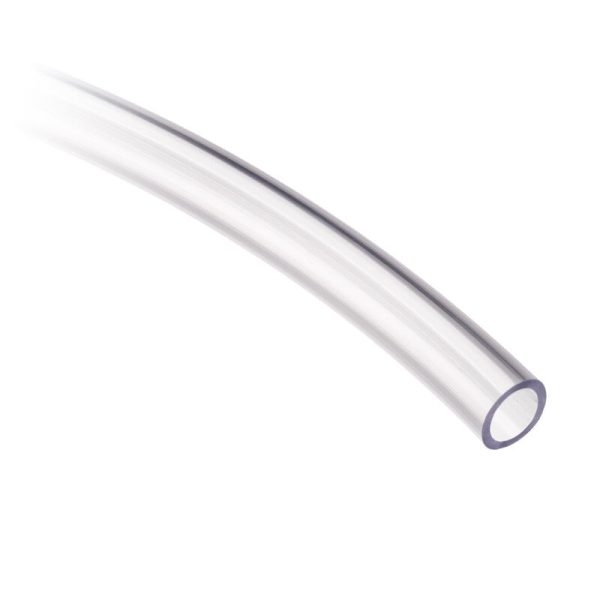
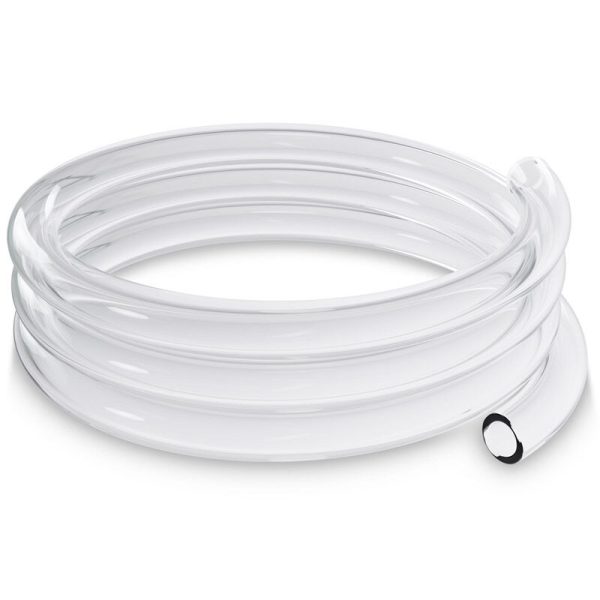
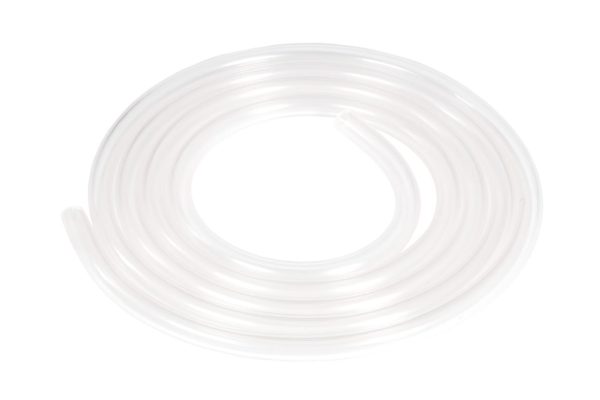
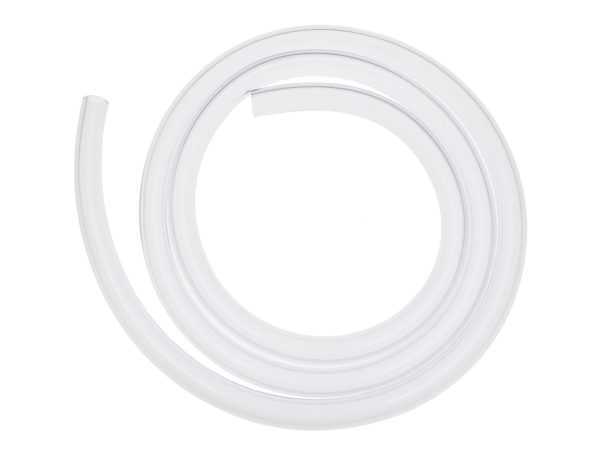
PVC is the most common type of soft tubing. It is cheap, widely available, and comes in clear or coloured options. Competent and accessible. However, there is a well-documented downside: plasticiser leaching. The chemical that keeps PVC flexible gradually migrates into your coolant over time, leaving the tubing cloudy and stiff while contaminating the fluid in the process. Expect to replace PVC tubing every 12-18 months for a clean, well-functioning loop. That is not an unreasonable maintenance interval, but it is worth factoring in.
EPDM Rubber (ZMT / Norprene)
- SKU: 1023613
- MPN: 18731
- EAN: 4250197187312
- SKU: XS-FLX-012
- MPN: 5060596651302
- EAN: 5060596651302
- Available for Collection
- SKU: WAEK-760
- MPN: 3830046999214
- EAN: 3830046999214
- Available for Collection
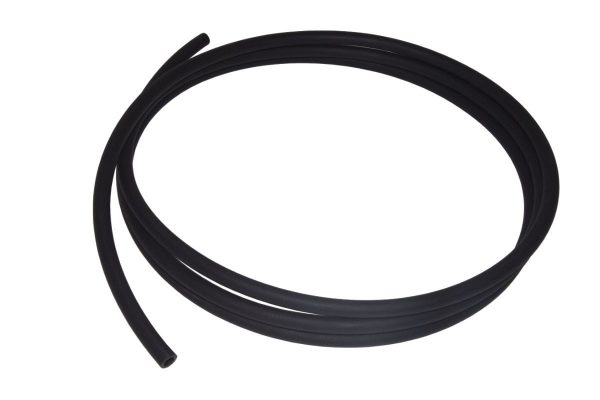
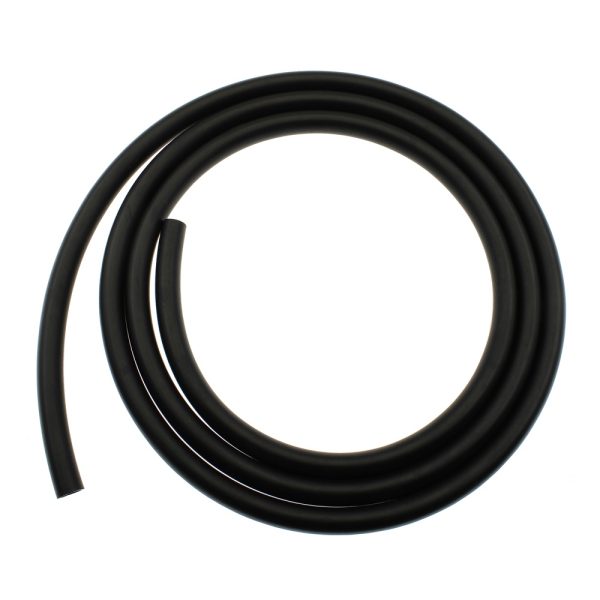
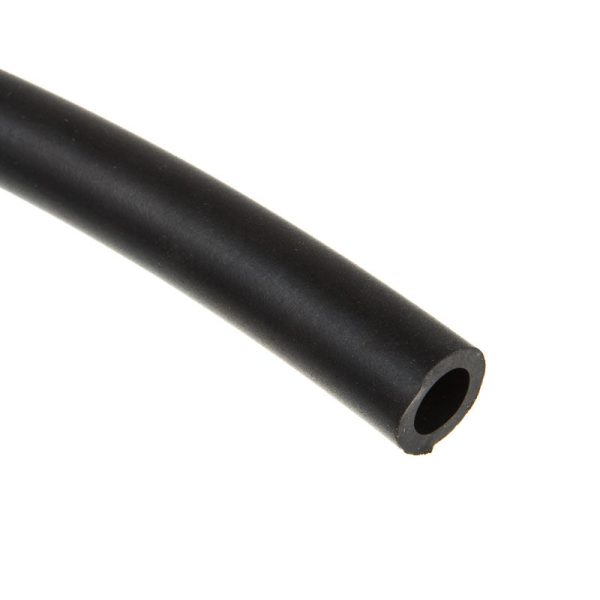
EPDM rubber tubing (sold under names like EK ZMT or Norprene) is the low-maintenance alternative. No plasticiser to leach, no degradation, no clouding. It simply lasts for years without replacement. The trade-off is purely aesthetic: EPDM is only available in black, so you cannot show off your coolant colour. For builders who prioritise function over flash, EPDM paired with a clear coolant is about as low-maintenance a combination as you can get in the custom loop world. Superb longevity with zero visual drama.
Silicone
Silicone tubing is softer and more flexible than PVC, but it occupies a niche position in watercooling. It can allow vapour permeation (coolant slowly evaporating through the tube walls) and it is harder to achieve a secure seal with compression fittings. Most builders skip it, and for good reason.
Hard Tubing
- SKU: 35D-196-72B
- MPN: 00
- EAN: 00
- Available for Collection
- SKU: XS-ACC-045
- MPN: 5060596651784
- EAN: 5060596651784
- Available for Collection
- SKU: BAR-HT02
- MPN: PG1612-L
- EAN: 6937826603174
- Available for Collection
- SKU: 1012520
- MPN: 18515
- EAN: 4250197185158
- Available for Collection
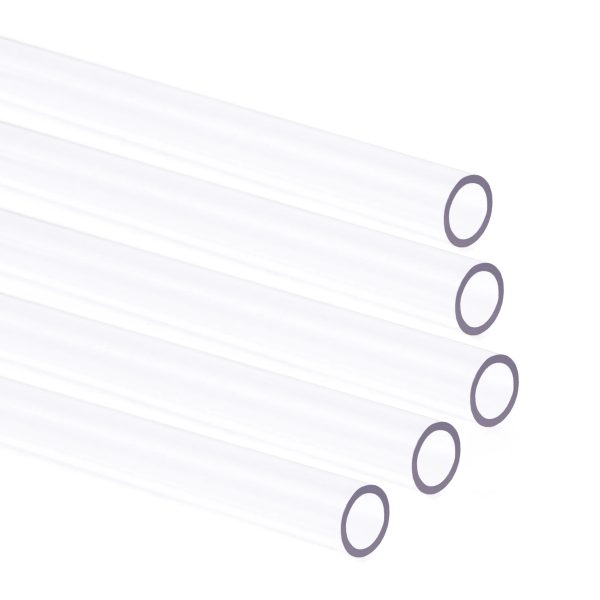
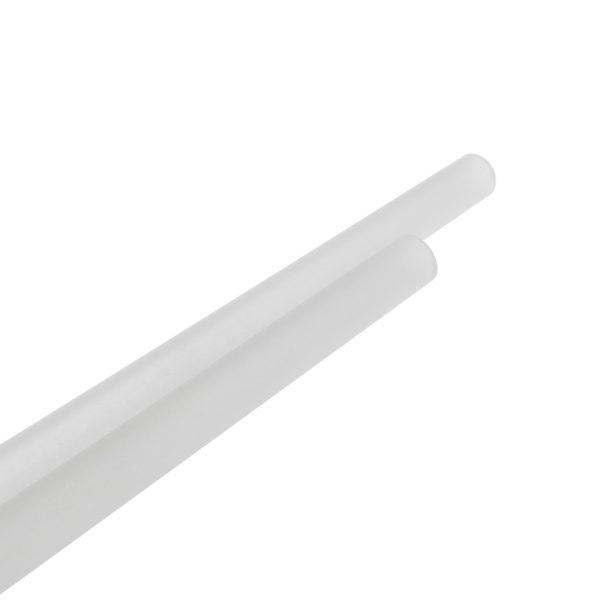
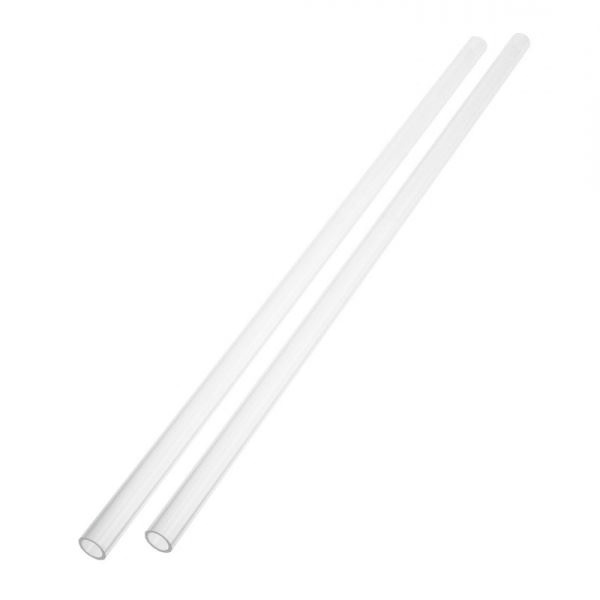
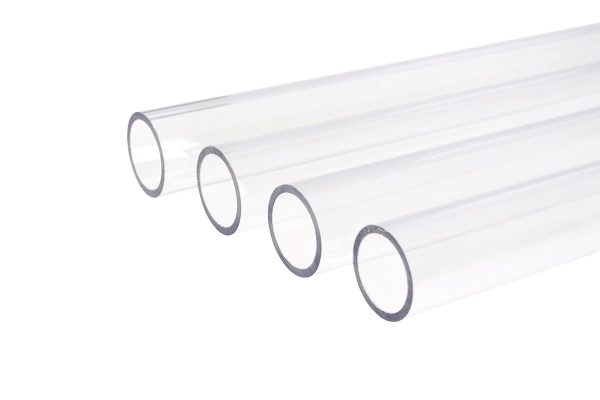
Hard tubing delivers the clean, precise lines that define a showcase build. Rigid runs with sharp 90-degree bends and smooth curves are simply impossible to achieve with soft tubing. It does not degrade like PVC, does not cloud, and a properly installed hard tube loop can last years without intervention.
The trade-off is time and skill. You need a heat gun, silicone inserts, a bending mandrel, and practice. Your first hard tube build will take significantly longer than a soft tube build, and you will waste tubes on failed bends. That is completely normal, so budget for extra tube lengths accordingly.
There are two main hard tube materials to consider (and we would recommend reading a dedicated PETG vs Acrylic guide for the full picture), but briefly:
- PETG is easier to bend, more forgiving, and can be reheated for adjustments. The caveat is a lower heat tolerance in use, with risk emerging above 50°C coolant temperatures.
- Acrylic offers crystal-clear aesthetics and strong heat resistance, but it is more brittle and harder to work with. A failed bend wastes the tube entirely.
For most first-time hard tube builders, PETG tube is the preferential starting material.
The Key Differences
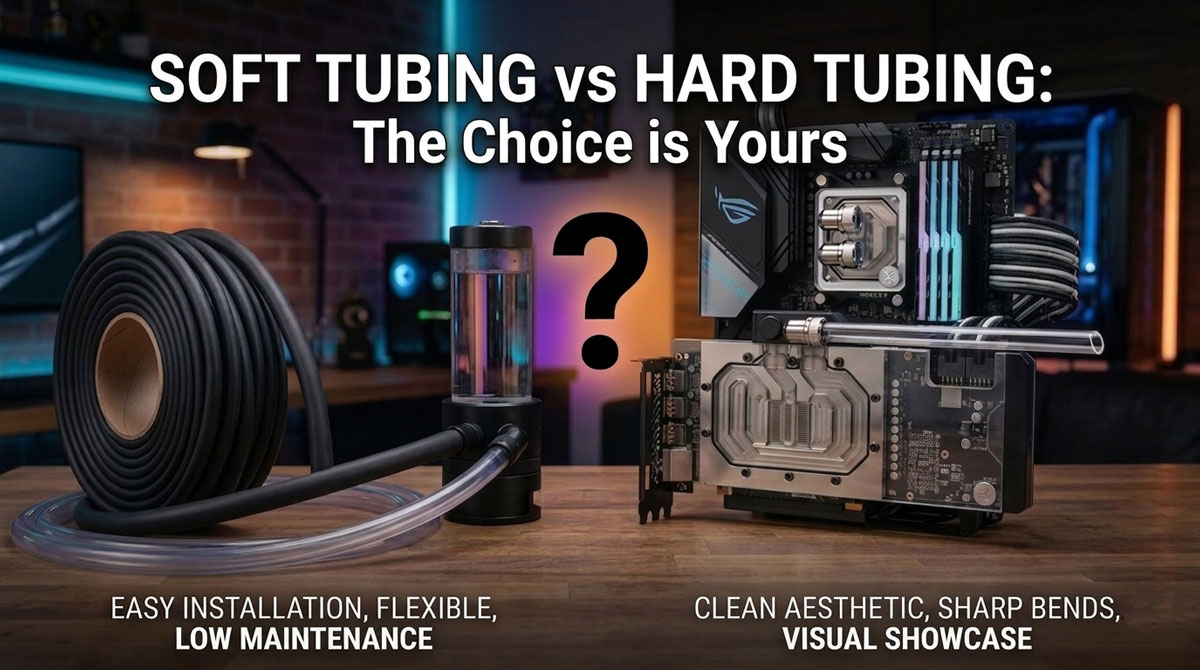
Soft tubing offers ease of installation, flexibility for tight routing, and quick disassembly. Hard tubing offers superior aesthetics, better long-term durability (no plasticiser concerns), and that unmistakable showcase finish. The choice ultimately comes down to what you value more: convenience or visual impact.
Fittings Are Different
This is an important point that catches some first-time builders out: soft tubing and hard tubing use different fittings. They are not interchangeable.
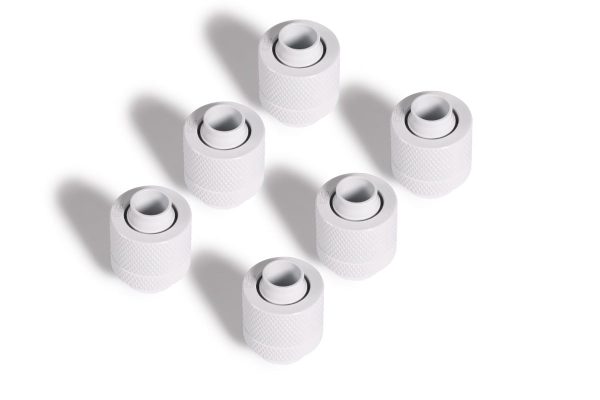
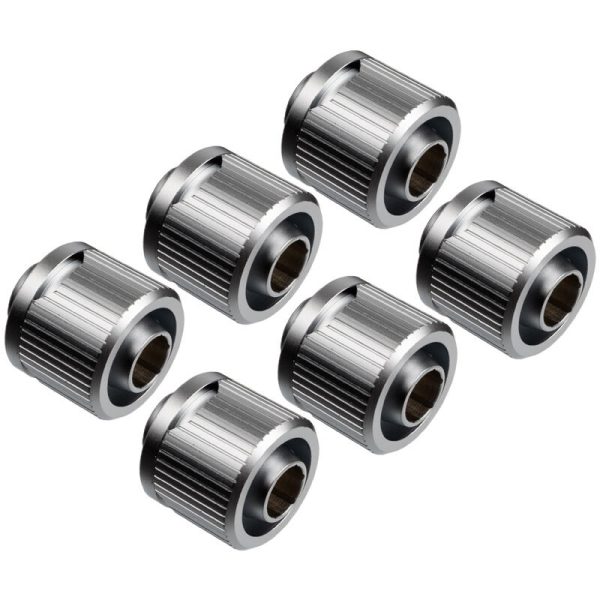
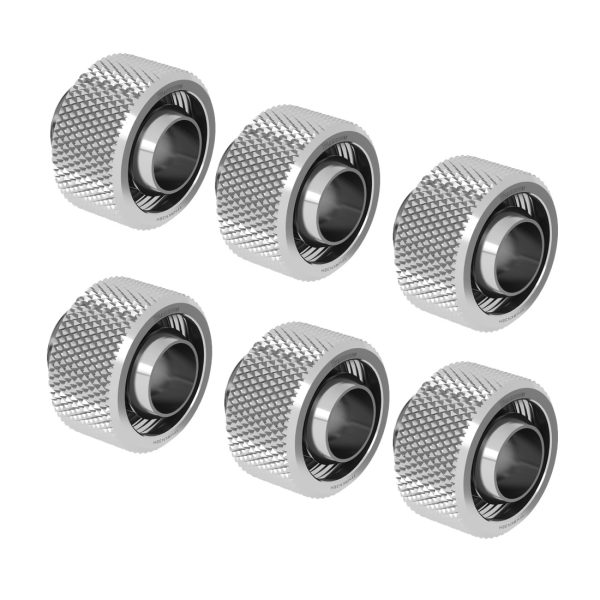
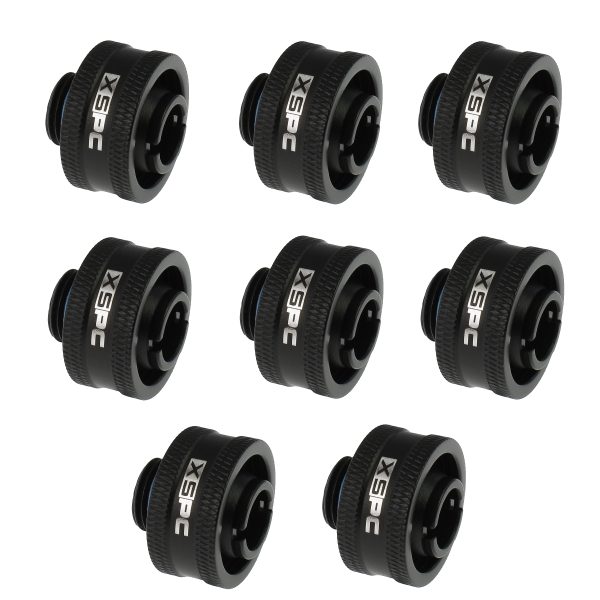
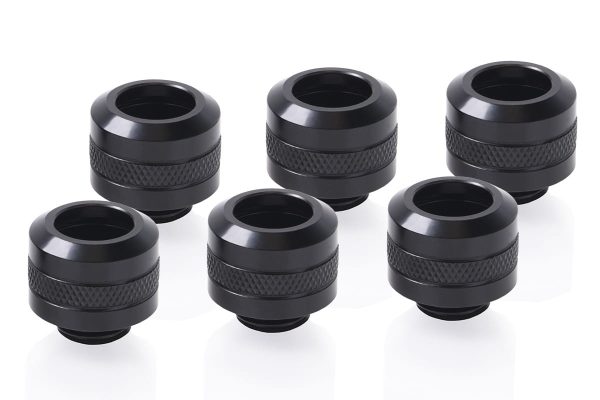
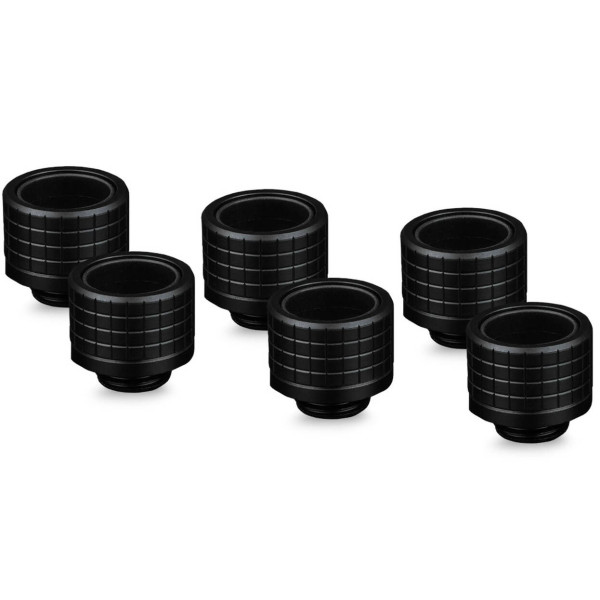
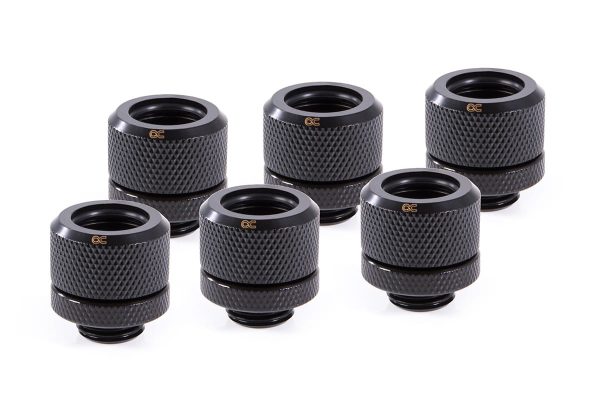
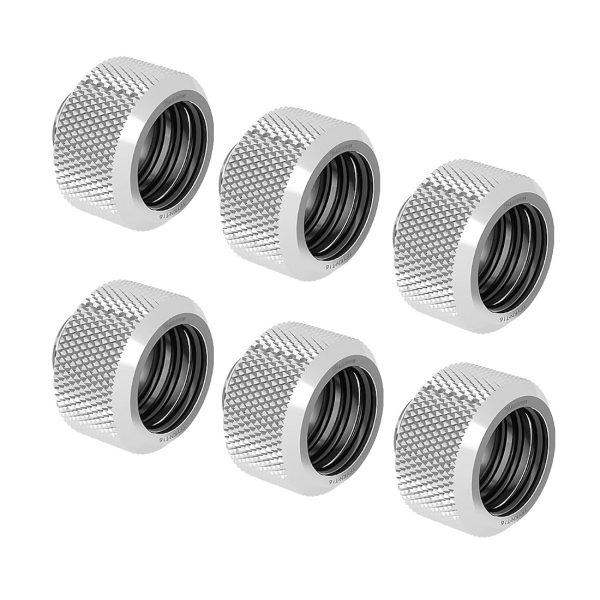
Soft tube fittings feature a barb that the tube slides over, plus a compression ring that tightens down to grip the outside. These are sized by both inner diameter (ID) and outer diameter (OD), for example 10/13mm or 10/16mm. Hard tube fittings, on the other hand, use internal O-rings that seal against the outside of the rigid tube. These are sized by outer diameter only, for example 12mm, 14mm, or 16mm.
- SKU: 1022522
- MPN: 17624
- EAN: 4250197176248
- Available for Collection
- SKU: WAEK-1967
- MPN: 3831109824542
- EAN: 3831109824542
- SKU: 300-F69-479
- MPN: TFHRKN38H-S-6P
- EAN: 5060684860487
- Available for Collection
- SKU: XS-EE2-791
- MPN: 5060175588623
- EAN: 5060175588623
- Available for Collection
The G1/4 thread that screws into your water blocks and radiators is the same for both types, but the tube connection end is completely different. Make sure you buy the correct fittings for your chosen tubing type. Getting this wrong is a needlessly frustrating (and potentially costly) mistake.
- SKU: 1017626
- MPN: 17475
- EAN: 4250197174756
- SKU: WAZU-1337
- MPN: TG-DM-FIT-6002
- EAN: 4260711992520
- Available for Collection
- SKU: 1019798
- MPN: 17552
- EAN: 4250197175524
- Available for Collection
- SKU: 7D1-F10-27E
- MPN: TFYKN-T16-S-6P
- EAN: 5060684860449
- Available for Collection
Can You Mix Soft and Hard?
Yes, and it is more common than you might think. Some builders use hard tubing for the visible runs on the front side of the case and soft tubing for hidden sections behind the motherboard tray or at the rear. You simply need the correct fittings for each section. It is a practical approach that gives you the showcase aesthetics where they matter without the hassle of bending tubes in tight, hidden spaces where nobody will see them anyway.
Our Recommendation
So which should you choose? Here is our take, broken down by use case:
- First-time builder? Go with soft tubing. Learn how a loop works, get comfortable with filling and bleeding, and enjoy the build without the stress of bending. You can always upgrade to hard tubing on your next coolant change.
- Want the lowest maintenance? EPDM rubber (ZMT) with clear premixed coolant. Nothing to degrade, nothing to replace. As close to a fit-and-forget solution as custom watercooling gets.
- Building a showpiece? Hard tubing. The extra time and effort pays off in the finished look, and the results speak for themselves.
- Daily driver, no fuss? Soft tubing (PVC or EPDM). Quick to build, easy to maintain, easy to drain and modify when you inevitably want to change something down the line.
Whichever route you take, the important thing is matching your tubing choice to your fittings, your skill level, and your willingness to invest time. Both approaches result in a fully functional custom loop. The difference is in the journey to get there, and in how much maintenance you are signing up for long-term.