





Custom Loop Tubing: Types and Sizes Explained
Custom water cooling loops live and die by component choice, and while water block and radiator selections grab plenty of attention, the tubing that connects everything is equally critical. It is, after all, the pathway through which coolant travels between your CPU block, GPU block, radiators, and reservoir. Tubing falls into two primary categories: flexible and hard. The right choice depends on your experience level, your aesthetic goals, and the specific demands of the loop you are building. Let’s break down both.
Flexible Tubing
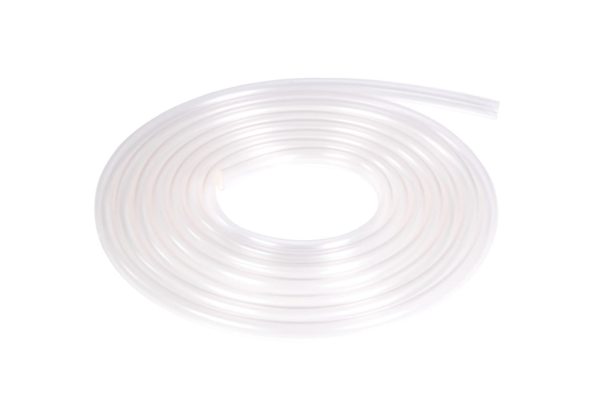
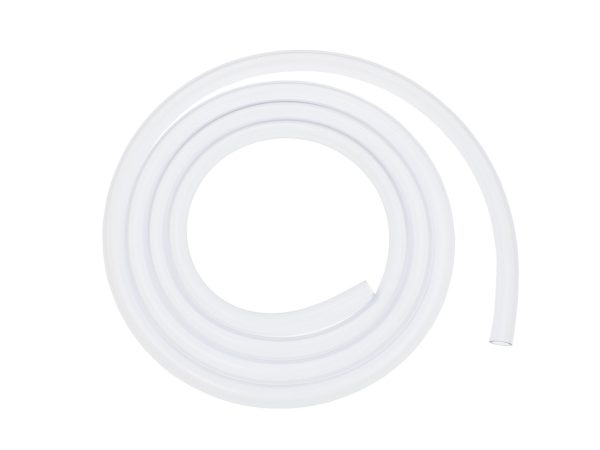
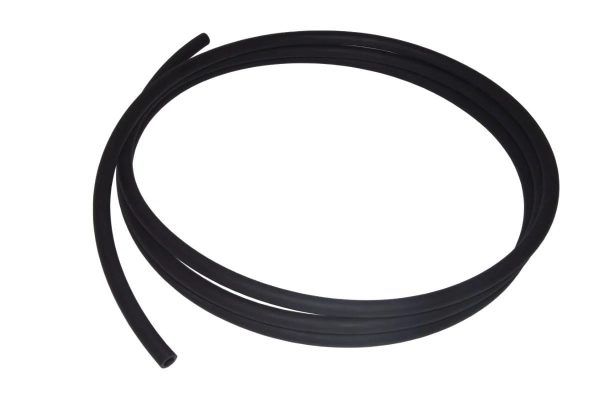
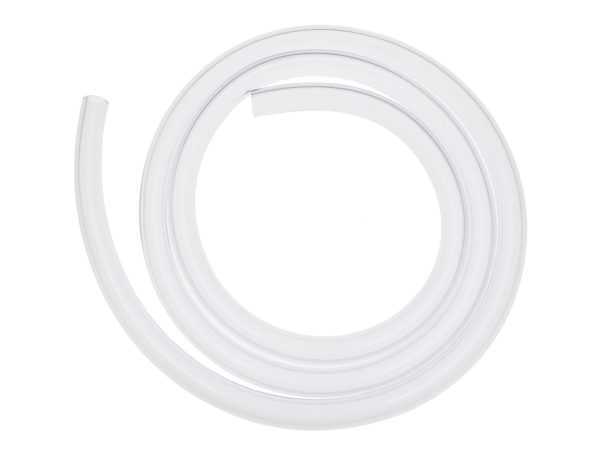
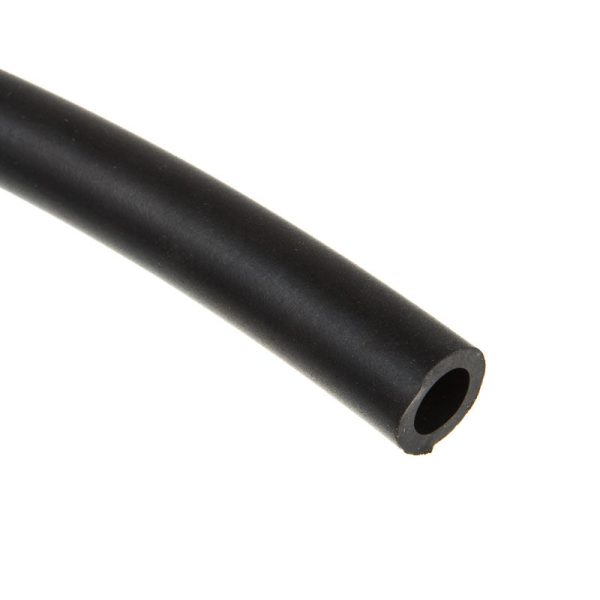
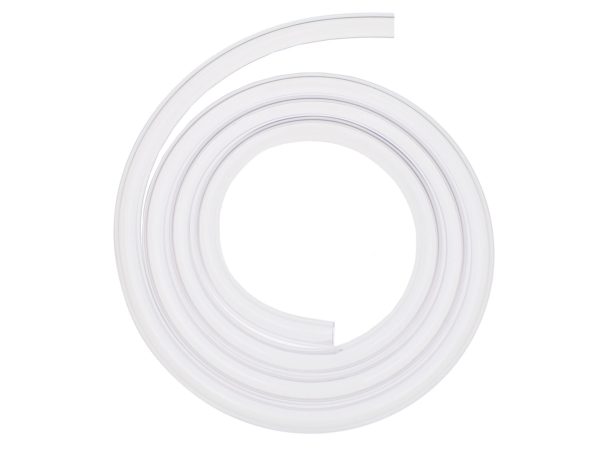
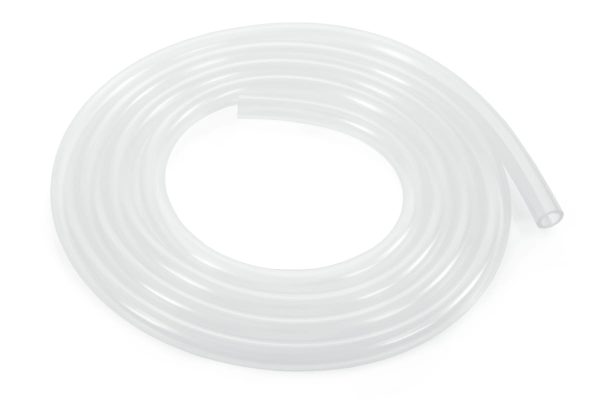
Flexible tube (often called soft tubing) is the more forgiving option, and for good reason. Typically manufactured from PVC, EPDM rubber, or silicone, it bends willingly around tight corners, making it ideal for compact cases or intricate loop layouts without the need for angled fittings. You simply cut it to length and push it onto barbed or compression fitting hardware. For first-time loop builders, that simplicity is genuinely valuable.
- SKU: 1019544
- MPN: 17491
- EAN: 4250197174916
- Available for Collection
- SKU: BAR-HT03
- MPN: PRG-V1
- EAN: 6937826600074
- Available for Collection
- SKU: XS-FLX-008
- MPN: n/a
- EAN: 5060596650220
- Available for Collection
- SKU: 1021502
- MPN: 18641
- EAN: 4250197186414
- Available for Collection
- SKU: XS-FLX-004
- MPN: n/a
- EAN: 5060175583758
- Available for Collection
- SKU: WAEK-760
- MPN: 3830046999214
- EAN: 3830046999214
- Available for Collection
- SKU: XS-FLX-006
- MPN: n/a
- EAN: 5060175583680
- Available for Collection
- SKU: 1019558
- MPN: 17532
- EAN: 4250197175326
Sizes of Flexible Tubing
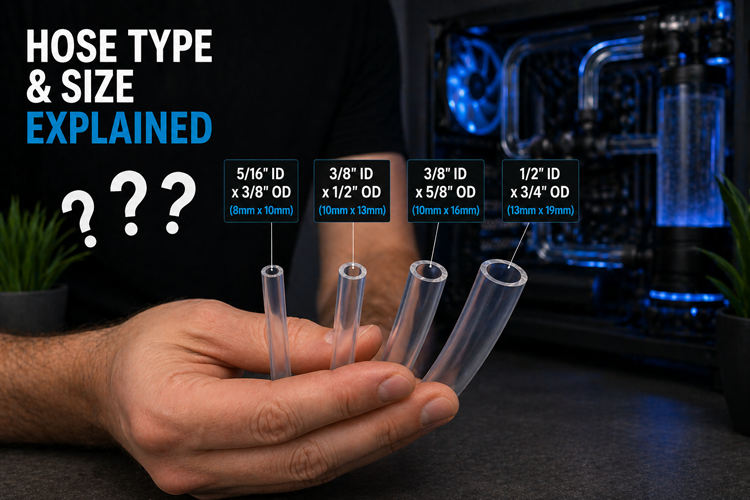
Flexible tubing is defined by two measurements: inner diameter (ID) and outer diameter (OD). The ID determines the width of the channel through which coolant flows, while the OD dictates overall visual bulk and, crucially, compatibility with your chosen fittings. Getting this pairing wrong is a recipe for leaks, so it pays to be precise.
- 5/16″ ID x 3/8″ OD (8mm x 10mm): This is very small tubing, typically reserved for tiny cases or server environments where space is at an absolute premium. Not a common choice for standard desktop loops any more.
- 3/8″ ID x 1/2″ OD (10mm x 13mm): One of the most common sizes, offering a solid balance between flexibility and adequate coolant flow. A competent all-rounder for most builds.
- 3/8″ ID x 5/8″ OD (10mm x 16mm): This is one of the most popular sizes on the market, and understandably so. The thicker outer wall gives the tube a more substantial appearance while also allowing for a respectable bend radius. Aesthetics and practicality in one package.
- 7/16″ ID x 5/8″ OD (11mm x 16mm): Slightly thicker on the inside compared to the 10mm x 16mm option above, this size retains good flexibility while providing a more substantial look and feel, however this is not a well supported tube size anymore making future compatibility options limited.
- 1/2″ ID x 3/4″ OD (13mm x 19mm): The thickest common option, often used in high-flow systems. It is noticeably more rigid than thinner alternatives, but it delivers maximum coolant flow for those who prioritise throughput.
Hard Tubing
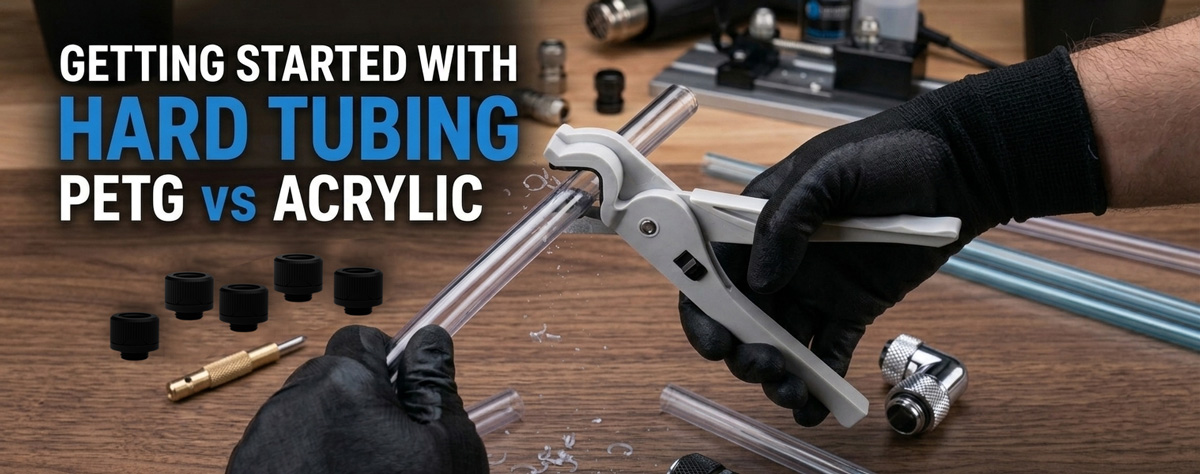
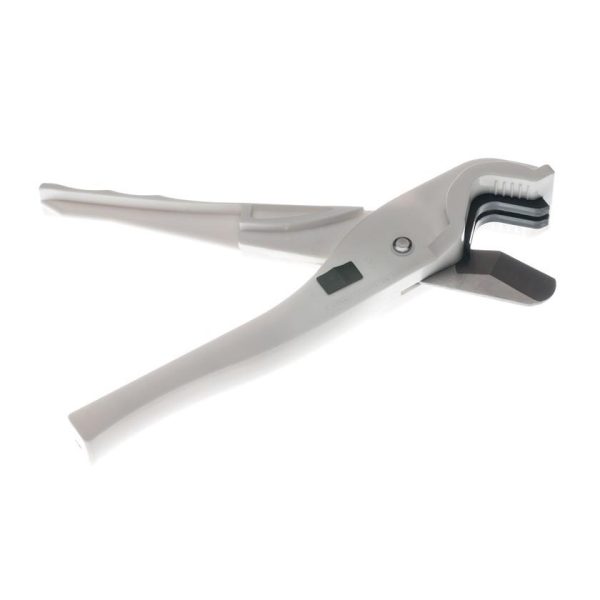
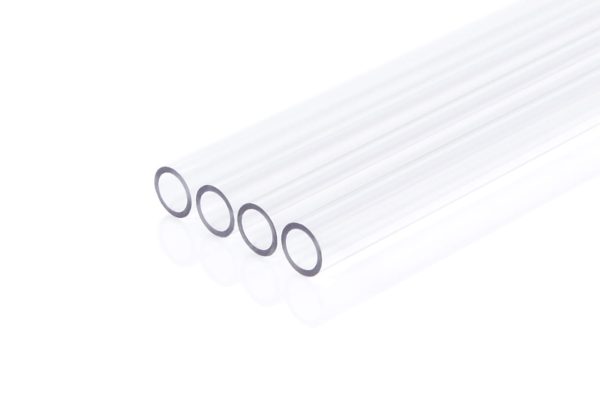
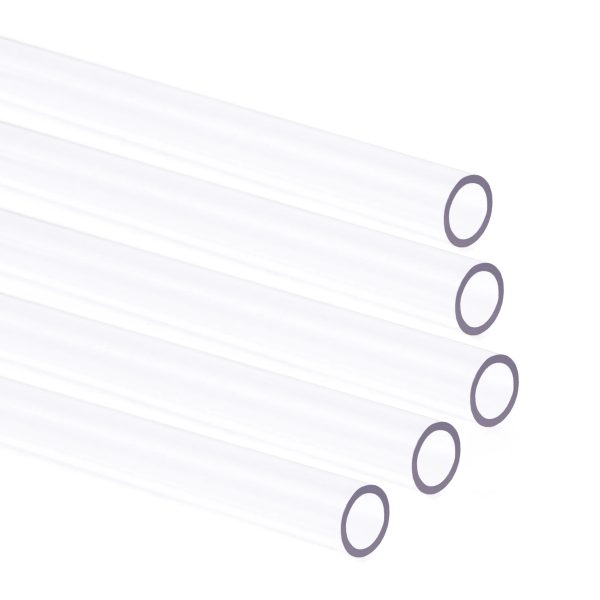
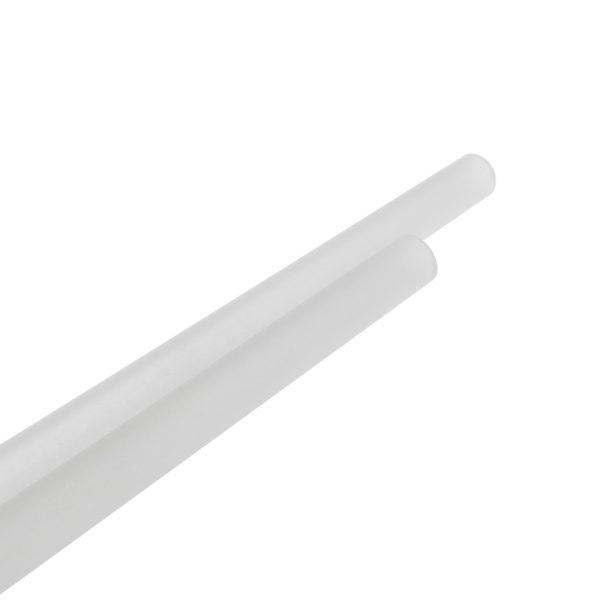
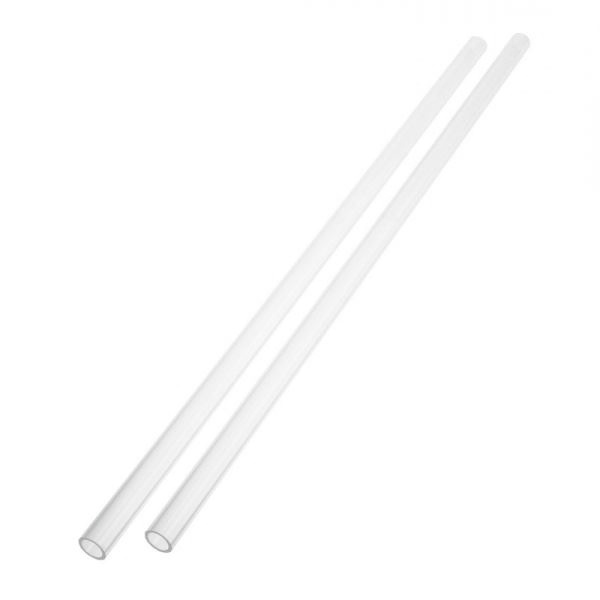
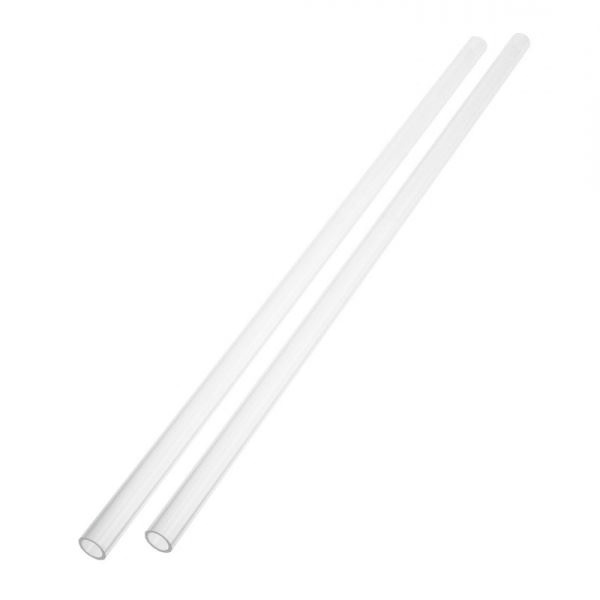
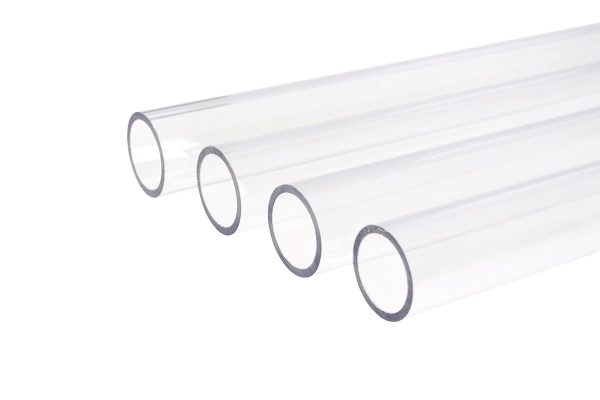
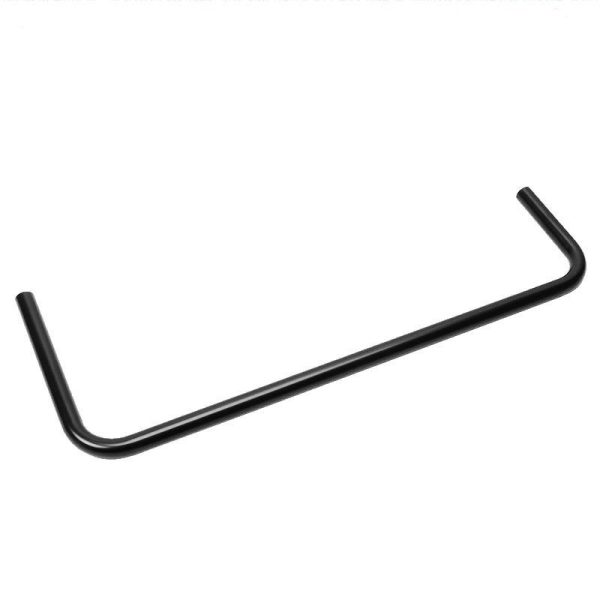
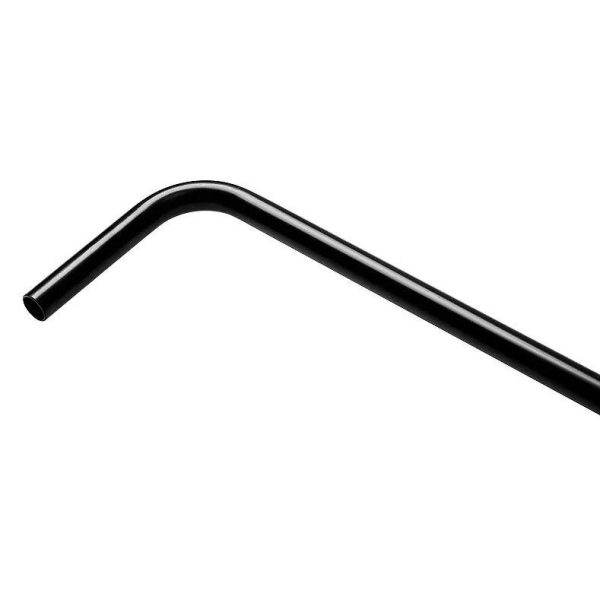
Hard tube (rigid tubing) is where custom loops truly start to look the part. Made from materials such as acrylic, PETG, copper, stainless steel, or glass, hard tubing delivers clean lines and a polished, modern aesthetic that flexible tubing simply cannot match. The trade-off is complexity. Unlike soft tubing, hard tube must be precisely cut and heat-bent to route between components. That demands more skill and more patience, but the visual payoff in a high-end build is superb. Hard tubing also tends to be more durable and resistant to long-term wear, which makes it a preferential choice for enthusiasts building a system they intend to run for years.
- SKU: 1019800
- MPN: 18632
- EAN: 4250197186322
- SKU: 35D-196-72B
- MPN: 00
- EAN: 00
- Available for Collection
- SKU: XS-ACC-045
- MPN: 5060596651784
- EAN: 5060596651784
- Available for Collection
- SKU: BAR-HT01
- MPN: PG1410-L
- EAN: 6937826602900
- Available for Collection
- SKU: BAR-HT02
- MPN: PG1612-L
- EAN: 6937826603174
- Available for Collection
- SKU: 1012520
- MPN: 18515
- EAN: 4250197185158
- Available for Collection
- SKU: BAR-HT014
- MPN: TSWB-14
- EAN: 6937826614446
- Available for Collection
- SKU: BAR-HT013
- MPN: TDWB-14
- EAN: 6937826614439
- Available for Collection
Sizes of Hard Tubing
Hard tubing is measured primarily by outer diameter (OD), as wall thickness is uniform and plays a smaller role in flow rate than it does with flexible alternatives. The common sizes are as follows:
- 12mm OD: A popular choice for smaller builds where space is limited. It provides a compact, minimalist appearance and routes easily through tighter areas. Compatible hard tube fitting options are widely available.
- 14mm OD: This is the most popular hard tube size, and for good reason. It strikes an excellent balance between compactness and visual impact, delivering a clean aesthetic without the runs feeling overly bulky. If you are unsure which size to choose, 14mm is a very safe starting point.
- 16mm OD: The thickest standard option, 16mm OD tubing creates a bold visual statement. It is best suited to larger builds where case volume allows for the extra space that wider tube runs demand.
Choosing Between Flexible and Hard Tubing
The decision between flexible and hard tubing ultimately comes down to your goals, your experience level, and how much time you are willing to invest in the build process. Flexible tubing is easier to install, generally less expensive, and far more forgiving for first-time builders. The downside is that it can discolour over time (particularly with certain coolant types) and it lacks the sleek, structured appearance of a well-executed hard tube loop.
Hard tubing, on the other hand, demands precise cutting and careful heat bending. That learning curve is real, but the result is a cleaner, more professional look and improved long-term durability. For builders who want the absolute best visual presentation, hard tube is the clear winner.
Both types are available in a range of colours, including clear, opaque, and UV-reactive finishes, so there is plenty of room for aesthetic customisation regardless of which route you take. Ultimately, choosing the right tubing size and type depends on the builder’s comfort with installation and the visual effect they are trying to achieve. Neither option is objectively wrong. It is about matching the tubing to the build.
Related Blog Articles