







The core CPUs of the eighth generation, which as a successor to Kaby Lake and Skylake share the socket 1151 with their predecessors, listen to this code name.
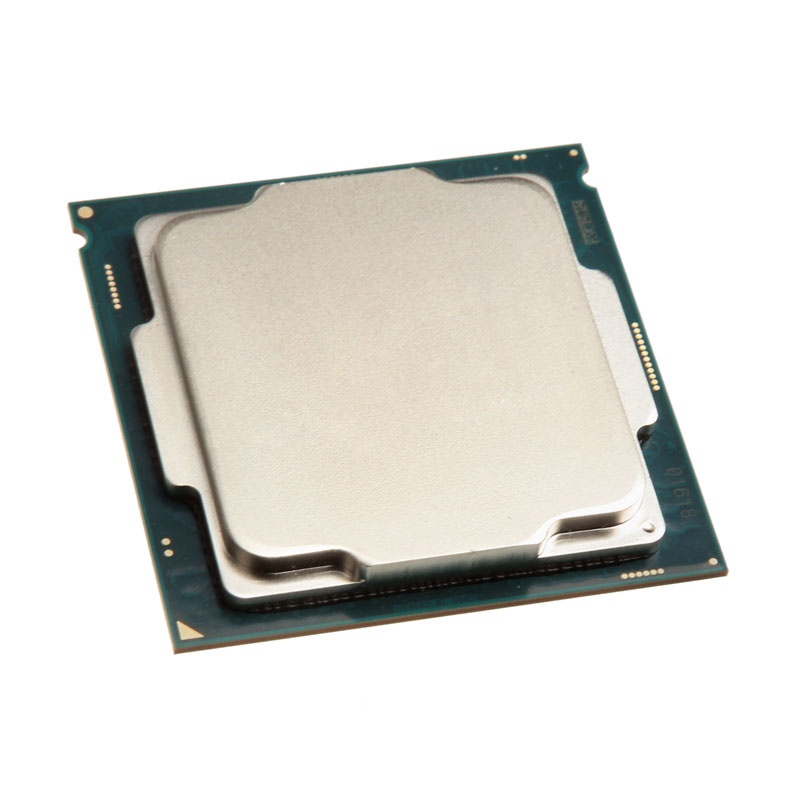
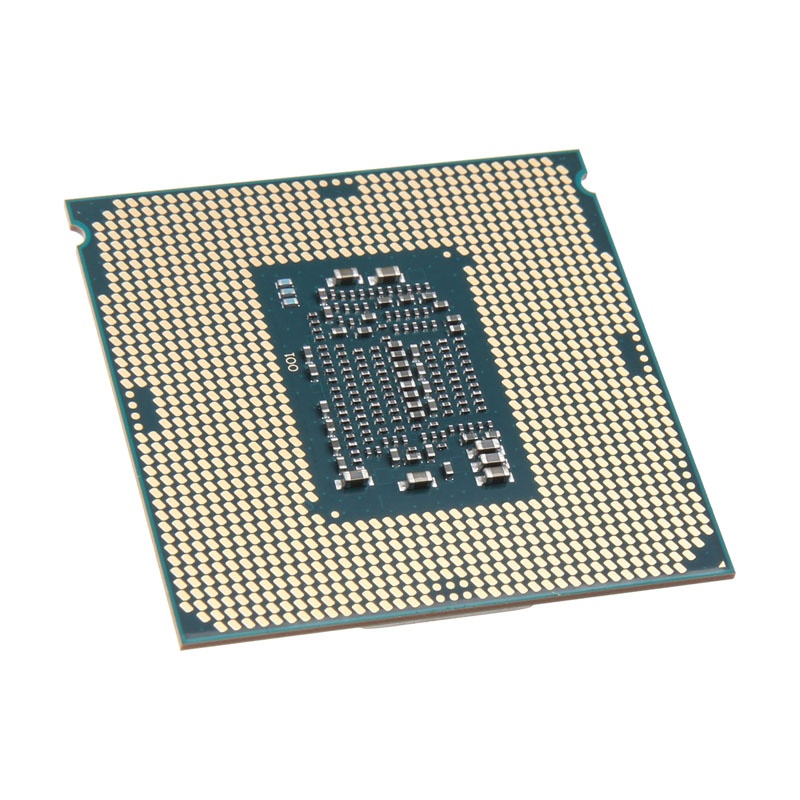
Intel Core i7-8700 3.2 GHz (Coffee Lake) Socket 1151 - tray
The core CPUs of the eighth generation, which as a successor to Kaby Lake and Skylake share the socket 1151 with their predecessors, listen to this code name.

- SKU: HPIT-436
- MPN: CM8068403358316
- EAN: 0000000000000
- Warranty: 12 Months
The core CPUs of the eighth generation, which as a successor to Kaby Lake and Skylake share the socket 1151 with their predecessors, listen to this code name.
Featured products
No products found
Due to various optimizations of the Coffee Lake CPUs, however, these are not compatible with older chipsets, but require socket 1151 motherboards with the chipsets of the 300 series. The Intel Core i7 processors from the Coffeelake generation have six CPU cores including hyper-threading, high clock rates and new turbo boost features – with only 65 watts TDP!
Intels i7 CPUs of the 8th generation
The Intel Core i7-8700 at a glance:
6 physical cores, 12 logical cores thanks to SMT!
3.2 GHz base clock at 65 watts of TDP
4.6 GHz boost clock with Turbo Boost 2.0
12 megabytes of L3 cache
Support for DDR4-2.666 (Dual Channel)
Revised UHD Graphics 630 graphic unit
Only compatible with mainboards with Intel chipset of the 300 series!
Attention: Tray version without processor cooler & OVP!
The Intel Core i7-8700: Six-core processor with Hyper-Threading
The Intel Core i7-8700 has a clock frequency of 3.2 GHz, which can increase to up to 4.6 GHz by Turbo Boost 2.0 if necessary. Note, however, that the boost rates vary depending on 1 core, 2 core, 4 core, or 6 core operation, which will always help you get the best performance out of the Coffee Lake CPU and the user can thus determine which performance is available for games or applications. The L3 cache has improved to 12 megabytes, the Thermal Design Power (TDP) is 65 watts, and as a Core i7, this hexa core processor has Intels Hyper-Threading technology and can therefore be not only six but 12 Running threads simultaneously.
A significant difference to the Skylake and Kaby Lake generation is that Coffeelake is only designed for the fast and efficient DDR4 workstations. The quad-core processors therefore support a maximum standard clock of 2,400 MHz, while the six-core processors allow up to 2.666 MHz standard clock. The LGA 1151 is retained by Intel, but it is imperative that a mainboard with a 300 series chipset is used as the processor might otherwise be damaged due to the changed power supply.
In a direct comparison with the 200 series, the 300 series can convince by an optimized power supply for the entire CPU, which has improved the overclocking possibilities. The integrated graphics unit has also been optimized with regard to clock and drivers and has now received the name Intel HD Graphics UHD 630. With its 24 Execution Units, it offers more than enough graphics power for Intel Quick Sync, GPU computing and, of course, one or the other game between. In addition, the DirectX 12 graphics unit with the feature level 12_1, OpenGL 4.5 and OpenCL 2.0 also supports the playback of 4K, UHD resolutions at 60 Hz via Displayport – a corresponding mainboard is required.
This is the tray version of the processor. A CPU cooler as well as the packaging are therefore not included.
Technical details:
Type:
Intel Core i7-8700 (Coffee Lake)
Manufacturing: 14 nm PlusPlus
cores:
6/12 (physical / virtual)
clock:
Basic clock: 3.2 GHz
Turbo clock (max.): 4.6 GHz
cache:
Level 3 cache: 12 MB
Level 2 cache: 1.5 MB (6x 256 KB)
Storage:
Memory controller: internal
Memory channels: 2
Memory Standard: DDR4 (2.666 MHz)
Integrated graphics unit:
Intel UHD Graphics 630 (24 EUs, max 1200 MHz)
TDP:
65 watts
Socket compatibility:
LGA 1151
Chipset Compatibility:
300 series from Intel
